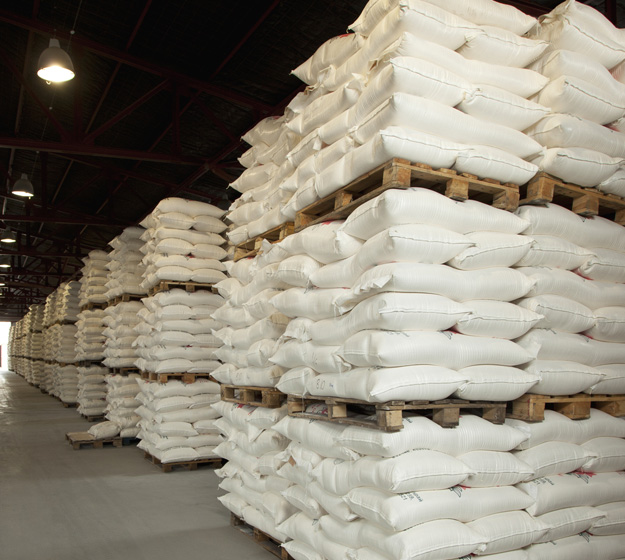
Optimizing Beverage Formulations with High-Purity Beer Wine and Spirits Ingredients
In the contemporary global beverage manufacturing ecosystem, procurement decisions surrounding Beer Wine and Spirits Ingredients directly dictate process efficiency, enzymatic attenuation, organoleptic stability, and ultimate product margin. Modern alcoholic beverage production—spanning industrial lager breweries, high-gravity craft spirit distilleries, estate wineries, and rapidly growing Ready-To-Drink (RTD) cocktail formulators—demands raw material consistency that eliminates batch-to-batch variance. American International Foods, Inc. (AIFI) provides commercial producers with direct access to over 2,500 food- and beverage-grade ingredients engineered to meet the stringent technical requirements of commercial fermentation, distillation, and downstream blending.
Achieving optimal ethanol yield, aromatic bouquet, and physical clarity requires an acute understanding of how raw substrates interact under varying thermodynamic and biological conditions. Whether managing wort gravities with high-maltose corn syrups, adjusting titratable acidity (TA) in grape must using food-grade acidulants, or employing specialized fungal enzymes to hydrolyze non-starch polysaccharides in alternative grain mashes, purchasing managers must balance raw material purity with supply chain reliability. AIFI acts as a strategic supply chain extension, delivering fully documented, batch-tested ingredients supported by full traceability across all 48 contiguous U.S. states.
Essential Commercial Ingredient Categories for Brewing, Winemaking & Distilling
Formulating high-performing alcoholic beverages requires precise raw materials that satisfy distinct biochemical roles. Below is an expert-selected catalog of core products recommended for commercial beverage procurement.
 Fermentable Carbohydrates & Adjuncts
High-yield fermentable sugars and starches tailored to optimize brewhouse efficiency and spirit wash gravities without adding unwanted husk polyphenols.
- High Maltose Corn Syrup (HMCS): Provides a clean fermentable profile ideal for high-gravity brewing and neutral spirit bases.
- Dextrose Monohydrate (D-Glucose): Fully fermentable dry sugar used for boosting ABV, dry-hopping conditioning, and cidermaking.
- Refined Sucrose & Liquid Invert Sugar: Standardized carbon sources for fruit wine sweetening and secondary bottle conditioning.
- Tapioca & Rice Maltodextrins: Non-fermentable functional carbohydrates engineered to restore mouthfeel and body in low-ABV and non-alcoholic beverages.
 Acidulants & pH Regulators
Food-grade organic acids essential for mash pH control, wine acidulation, and stabilizing flavor matrices in spirit-based RTD cocktails.
- Citric Acid (Anhydrous / Monohydrate): Sharp, crisp acidulant ideal for fruit-flavored malt beverages, hard seltzers, and spirits.
- L-Tartaric Acid: Natural acidifier paramount for adjusting total acidity in grape must and correcting low-acid wine harvests.
- DL-Malic Acid: Smooth, lingering green-apple acidity recommended for cider production, white wines, and sour beer styles.
- Lactic Acid (88% Commercial Grade): Essential brewhouse acidifier for precise mash and kettle pH reduction to optimize enzymatic performance.
 Processing Aids, Enzymes & Clarifiers
Biochemical catalysts and clarifying agents designed to accelerate filtration, maximize alcohol yield, and guarantee brilliant visual clarity.
- Alpha-Amylase & Glucoamylase Enzymes: Thermostable enzymes for starch liquefaction and saccharification in grain distilling.
- Sodium & Calcium Bentonite: Premium montmorillonite clay for heat-stabilizing wines and removing haze-forming proteins.
- Potassium Metabisulfite (KMS): Food-grade antioxidant and antimicrobial agent vital for controlling wild yeasts and preventing oxidation.
- USP Grade Vegetable Glycerin: Viscosity enhancer and smoothing agent utilized in rectified spirits and body-building RTD bases.
Future Procurement Trends shaping the Beer, Wine, and Spirits Industry
The commercial beverage industry is undergoing a structural transformation driven by shifting consumer preferences, regulatory transparency, and supply chain volatility. Procurement managers who proactively adapt their ingredient sourcing strategies will secure significant cost and quality advantages.
1. Rapid Expansion of Non-Alcoholic (NA) and Low-ABV Craft Formulations
The global demand for non-alcoholic beers, dealcoholized wines, and zero-proof spirits has created a technical demand for specialized functional ingredients. Removing ethanol eliminates crucial mouthfeel, body, and flavor stability. Forward-thinking procurement teams are sourcing specialized non-fermentable dextrins, natural hop extracts, polyols, and hydrocolloids to replicate the sensory depth, foam head retention, and palate weight of traditional alcoholic beverages.
2. Clean-Label, Organic & Non-GMO Mandates
Consumers increasingly inspect ingredient decks even within adult beverage categories. Federal regulators and commercial retailers are elevating scrutinization around processing aids, synthetic clarifyers, and genetically modified grain syrups. Sourcing certified Organic sweeteners, Non-GMO Project Verified starches, and naturally derived acidulants is transitioning from a niche premium strategy to a baseline commercial requirement for national distribution.
3. Climate-Resilient Ingredient Substitution & Supply Security
Agricultural volatility caused by erratic weather patterns has led to unpredictable shifts in grape harvest acid levels, barley crop protein concentrations, and cane sugar availability. Beverage producers are adopting flexible formulation models that rely on standardized, year-round functional alternatives—such as using liquid dextrose and precise malic/tartaric acid blends—to smooth out natural raw material fluctuations and lock in predictable per-liter production costs.
4. Growth of Premium RTD (Ready-To-Drink) & Hard Seltzer Formulations
The RTD segment continues to cannibalize market share from traditional beer and wine through flavored malt beverages (FMBs), canned spirit cocktails, and wine spritzers. Procuring crystal-clear, high-purity carbon sources (such as ultra-pure liquid glucose) alongside stable natural flavor carriers and pH-buffering salts is critical to preventing post-packaging precipitation, flavor degradation, and shelf-life spoilage in canned aluminum formats.
Advanced Production & Biochemical Trends in Beverage Manufacturing
Beyond simple raw material purchasing, modern beverage design relies heavily on industrial biotechnology and physical chemistry. Understanding these technical developments allows procurement and R&D teams to co-engineer cost-effective, high-performing beverage lines.
1. High-Efficiency Enzymatic Hydrolysis for Alternative Grain Mashing
Distillers and commercial brewers are increasingly utilizing unmalted grains—including corn, rye, sorghum, oats, and wheat—to lower grist costs and generate unique flavor profiles. Achieving maximum alcohol yield from unmalted adjuncts requires exogenous enzyme cocktails containing high-activity endo-alpha-amylases, pullulanases, and beta-glucanases. These enzymatic systems break down complex branched amylopectin polymers into simple fermentable glucose and maltose units while simultaneously reducing mash viscosity, preventing stuck sparges, and shortening cycle times.
2. Advanced Acidulated Stabilization in Spirits and RTDs
Acidulation plays a dual role in alcoholic beverage processing: it governs microbiological safety and shapes sensory perception. In distilled spirit production, maintaining an optimal fermentation pH (typically 4.8 to 5.2) prevents bacterial contamination by lactobacillus species while optimizing yeast metabolic efficiency. In RTD canned cocktails, precise ratio blending of citric acid, malic acid, and trisodium citrate buffers the beverage against harsh metallic notes caused by aluminum can interactions, ensuring flavor stability over a 12-to-18-month shelf life.
3. Fining Optimization & Vegan Clarification Protocols
Traditional winemaking and brewing clarifyers often relied on animal-derived proteins such as isinglass, potassium caseinate, and gelatin. Modern consumer ethical shifts have driven a rapid adoption of synthetic and mineral-based clarification technologies. Ultra-pure bentonite clays, cross-linked polyvinylpolypyrrolidone (PVPP), and purified silica hydrosols effectively adsorb polyphenols and haze-active proteins without compromising subtle esters, colors, or mouthfeel, fully supporting vegan-certified product claims.
Frequently Asked Questions by Global Beverage Buyers & Master Producers
Below are detailed answers to key technical and supply chain questions frequently posed by commercial procurement officers, brewmasters, distillers, and beverage formulators.
What is the difference between using High Maltose Corn Syrup (HMCS) and Dextrose Monohydrate in commercial brewing?
High Maltose Corn Syrup (HMCS) is a liquid sweetener primarily composed of maltose and maltotriose with minimal free glucose. It closely mimics the carbohydrate profile of natural malt wort, providing smooth fermentability without over-attenuating the beer or causing harsh alcohol flavors. Dextrose Monohydrate (pure D-glucose), on the other hand, is 100% fermentable by standard brewers yeast (*Saccharomyces cerevisiae*). Dextrose is used to boost gravity while lightening the body, making it ideal for Double IPAs, Belgian strong ales, and hard seltzers where residual malt sweetness is undesirable.
How do acidulant choices impact sensory balance and stability in wine production?
Acid Selection governs both titratable acidity (TA) and pH. Tartaric acid is the primary acid natural to grapes; adding L-tartaric acid during pre-fermentation increases TA and lowers pH efficiently, protecting against microbial spoilage and stabilizing red wine color complexes. Malic acid contributes a sharp, green-apple bite; if malolactic fermentation (MLF) is intended, adding malic acid will result in increased lactic acid conversion and a creamier mouthfeel. Citric acid provides a bright, citrus note but should only be added post-fermentation alongside sorbate, as yeast can metabolize citric acid into acetic acid (volatile acidity).
What documentation is required to verify ingredient compliance for alcoholic beverage manufacturing?
Full regulatory compliance requires a comprehensive documentation package for every ingredient batch. This includes a Certificate of Analysis (COA) detailing physical and chemical specifications (purity, moisture, pH, heavy metals, microbial counts), a Technical Data Sheet (TDS), Safety Data Sheet (SDS), Allergen Statement, Kosher/Halal Certifications, and a Non-GMO / Organic Certificate where applicable. Additionally, food safety compliance under FSMA guidelines requires a Continuing Commodity Guarantee and documentation proving the facility operates under certified GFSI standards (such as SQF, BRCGS, or FSSC 22000).
How can industrial distillers increase fermentation yield when processing high-starch grain mashes?
Optimizing yield from high-starch grain mashes (corn, wheat, rye) requires precise enzymatic starch conversion and yeast nutrient management. Distillers should deploy a two-stage enzymatic hydrolytic process: first, treating the mash with high-temperature Alpha-Amylase during jet-cooking to reduce viscosity and cleave alpha-1,4-glucosidic bonds; second, adding Glucoamylase (Exo-alpha-1,4-glucosidase) during cooling or mash-in to break down dextrins into fermentable glucose. Supplementing the mash with Diammonium Phosphate (DAP) and micronutrient complex mixtures ensures yeast cells maintain high viability under osmotic stress.
What functional ingredients compensate for body loss in dealcoholized non-alcoholic (NA) craft beers?
Dealcoholization (via vacuum distillation or reverse osmosis) removes ethanol, which provides substantial body, sweetness perception, and warmth. To restore mouthfeel without adding fermentable sugars that could cause re-fermentation in the package, beverage formulators utilize non-fermentable maltodextrins (10-15 DE), specialized resistant starches, gum arabic (acacia gum), and vegetable glycerin. These ingredients build physical viscosity, enhance foam stability, and coat the palate similarly to a traditional 5% ABV malt beverage.
What options are available for purchasing bulk sweeteners and acidulants for large-scale production?
American International Foods, Inc. offers flexible, commercial-scale packaging tailored to your facility's operational capabilities. Dry powders (such as Dextrose, Citric Acid, and Tartaric Acid) are available in 50 lb multi-wall paper bags, 25 kg bags, and 2,000 lb Super Sacks (FIBCs). Liquid substrates (such as High Maltose Corn Syrup, Glycerin, and Lactic Acid) are distributed in 55-gallon tight-head drums, 275-gallon intermediate bulk containers (IBC totes), and dedicated liquid tank trucks for direct automated metering into brewhouse or distillery tanks.
Why is batch consistency in processing aids critical for aluminum can shelf life in RTD beverages?
Canned Ready-To-Drink cocktails and seltzers are highly susceptible to package degradation if acid levels, dissolved oxygen, or trace heavy metals are unmonitored. High concentrations of trace copper or iron in lower-grade raw materials act as catalysts for oxidation, breaking down delicate flavor compounds and damaging the internal protective polymer liner of aluminum cans. Using USP/FCC grade acidulants and ultra-pure sweeteners guaranteed by batch COAs prevents corrosion, off-flavors, and costly product recalls.
Unrivaled Supply Chain Reliability for Beverage Manufacturers
For over three decades, American International Foods, Inc. (AIFI) has led the B2B ingredient supply chain, serving commercial beverage producers, breweries, wineries, and spirit distilleries across the United States. We eliminate supply chain complexity by combining extensive ingredient access with rigorous quality management.
2,500+ Comprehensive Ingredient Portfolio
One-stop sourcing for conventional, organic, Non-GMO, and gluten-free ingredients across all major beverage categories.
Nationwide Warehousing & JIT Logistics
Strategically located regional distribution centers providing rapid, just-in-time delivery to all 48 contiguous states.
100% Quality & Regulatory Guarantee
Complete documentation provided for every shipment—including COAs, spec sheets, allergen statements, and GFSI compliance.
Custom Blending & Technical R&D Support
In-house R&D and formulation support to assist with custom dry blending, ingredient substitution, and product optimization.