Wholesale Frozen Egg Ingredients: Strategic Procurement, Functional Innovations, and Supply Chain Architecture for Global Food Manufacturers
An authoritative B2B purchasing and formulation guide covering industrial frozen whole eggs, yolks, whites, and enzyme-modified egg products. Discover how major food processors mitigate supply chain volatility, optimize viscosity, and leverage full cold-chain traceability.
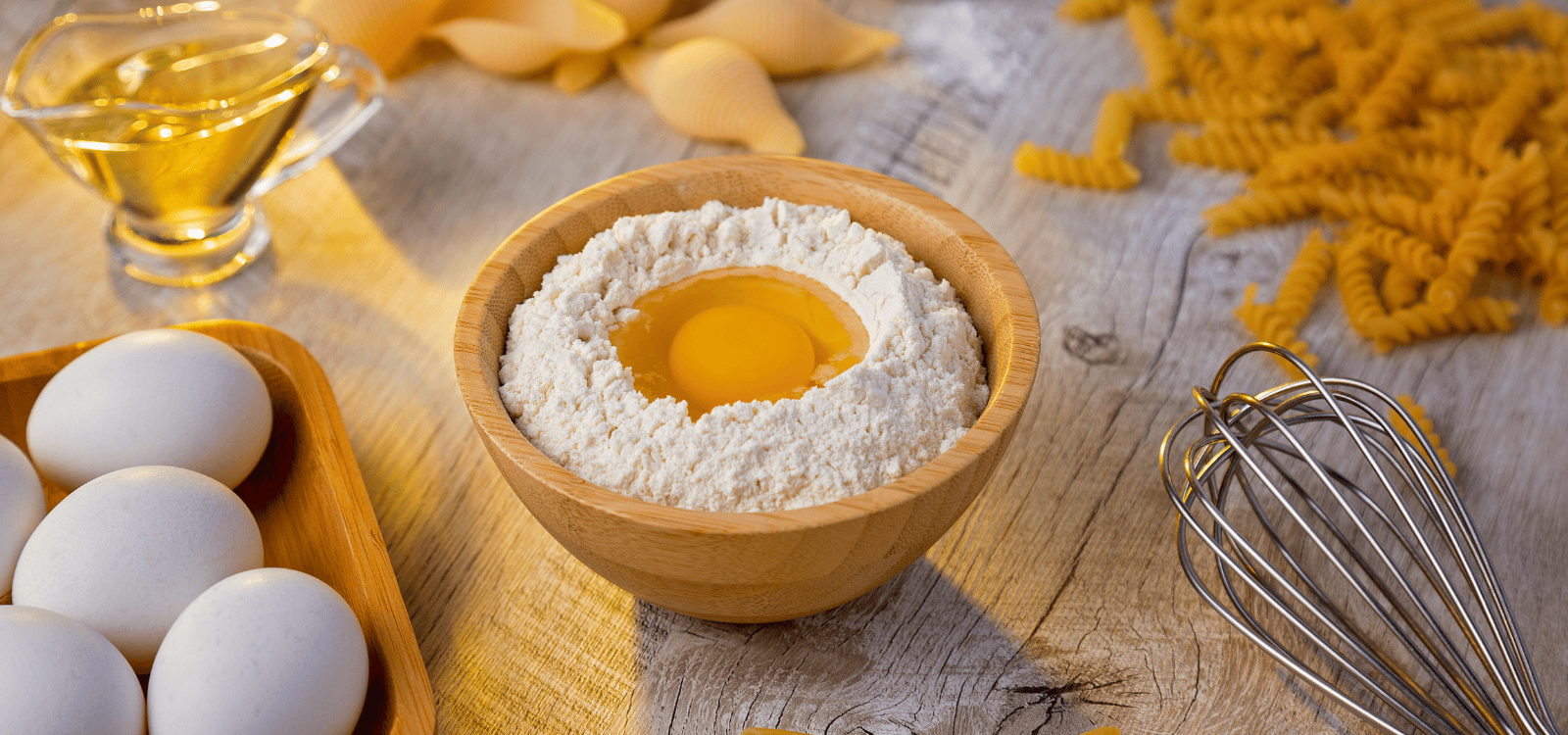
Figure 1: American International Foods, Inc. (AIFI) provides premium frozen egg ingredients with certified pasteurization, precise solids management, and nationwide cold-chain logistics.
In high-volume commercial food production—spanning industrial bakeries, emulsified sauce manufacturers, prepared food assembly plants, and confectionery operations—the selection of protein binders and emulsifiers directly dictates both margin stability and end-product textural integrity. While shell eggs present prohibitive labor costs and biosecurity hazards, and liquid egg products suffer from micro-perishable window constraints (typically 7–14 days shelf life), frozen egg ingredients represent the optimal intersection of functional protein structure, long-term inventory buffer capabilities, and food safety governance.
Frozen egg ingredients are produced through the hygienic automated breaking of hen eggs, meticulous separation into whole eggs, yolks, or whites (albumen), followed by standardized pasteurization protocols under strict USDA FSIS supervision. The pasteurized liquid is then packaged into commercial formats—such as 30 lb. plastic pails, 50 lb. corrugated cartons with multi-ply polyethylene liners, or 2,000 lb. reusable liquid totes—and rapidly frozen using blast freezer technology (-20°F to -40°F) to minimize ice crystal growth.
Technical Information Gain: Gelation & Viscosity Kinetics During Freezing
When liquid egg yolk is frozen plain without additive cryoprotectants, the lipoprotein complexes (specifically Low-Density Lipoproteins, or LDLs) undergo irreversible gelation or "gel-like aggregation." This physical state change drastically alters the viscosity upon thawing, rendering plain frozen yolk gummy, rubbery, and difficult to blend into delicate emulsions. Understanding the biophysical mechanics of yolk cryoprotection—through the strategic incorporation of sodium chloride (salt) or sucrose (sugar) at exact 10% w/w thresholds—is essential for procurement teams seeking consistent functional performance.
By maintaining raw frozen egg inventory at 0°F (-18°C) or lower, commercial manufacturing plants achieve operational resiliency. Frozen egg ingredients extend raw material shelf life up to 365 days while preserving the native functional attributes: emulsification via lecithin, heat-induced gelation via ovalbumin and ovotransferrin, foam stabilization via globulins, and natural color intensity measured on the Roche Yolk Color Fan.
At American International Foods, Inc. (AIFI), our bulk frozen egg ingredient catalog is engineered to support demanding industrial processing standards. Below is a granular analysis of our core portfolio, detailing solid percentages, functional applications, and regulatory packaging specifications.
AIFI’s Frozen Whole Egg products represent the precise natural ratio of egg white to egg yolk (approximately 60:40). During processing, homogenized whole liquid egg is pasteurized to eradicate pathogenic microorganisms—specifically *Salmonella enteritidis*—without denaturing the heat-sensitive proteins.
For industrial baking facilities utilizing continuous mixing systems, Frozen Whole Egg with 10% Sugar prevents the rigid cross-linking of egg proteins during cryogenic storage. When incorporated into formulations, the sugar lowers the freezing point of water within the liquid matrix, allowing the protein structures to remain flexible and easily dispersible upon thawing. This yields superior cake volume, crumb tenderness, and extended shelf life in packaged bakery goods.
B. Frozen Egg Yolk Solutions & Enzyme Modification
Egg yolk is nature’s most effective oil-in-water emulsifier, containing approximately 33% lipids, 17% proteins, and powerful phospholipids such as phosphatidylcholine (lecithin). However, when frozen plain, yolk experiences severe gelation due to LDL disruption.
To solve this for dressmakers and sauce manufacturers, AIFI supplies Frozen Salted Egg Yolk (10%). Salt acts as an effective cryoprotectant by lowering water activity ($a_w$) and inhibiting the formation of large ice crystals that puncture lipid membranes. For high-temperature processing applications, such as retort sauces or pasteurized dressings, we provide Enzyme-Modified Frozen Yolks. Through targeted enzymatic treatment with Phospholipase A2, insoluble lyso-phospholipids are created, increasing heat stability so the emulsion will not break even when subjected to temperatures exceeding 185°F (85°C).
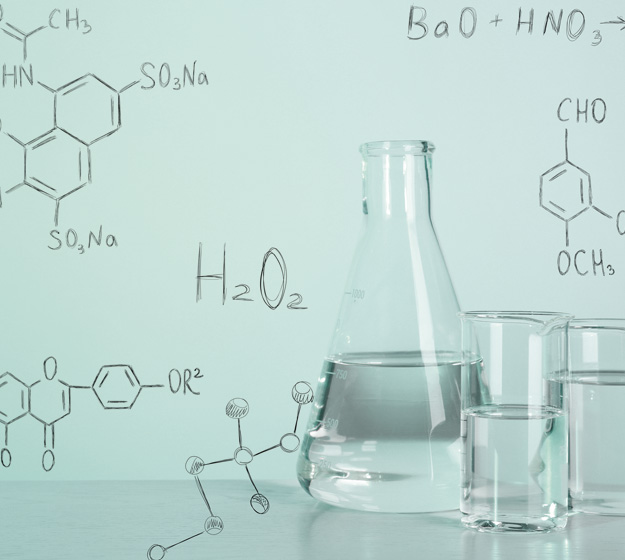
Figure 2: Quality Assurance technicians conduct rigorous testing on every frozen egg lot, evaluating total solids, pH, viscosity, and micro-biology prior to release.
C. Frozen Egg Whites (Albumen)
Composed primarily of water (88%) and high-purity protein (12%), frozen egg whites are prized for their whipping volume, foam stability, and heat-set coagulation. Ovalbumin accounts for over 54% of the total protein structure, serving as the core thermo-setting agent. AIFI offers frozen egg whites with optional whipping aids, such as triethyl citrate, which reduces surface tension and accelerates foam development in industrial planetary mixers.
Need Custom Frozen Egg Formulations or Contract Pricing?
Talk directly with AIFI’s food scientists and procurement specialists to secure bulk volume contracts with guaranteed delivery schedules.
3. Future Procurement Trends & Global Supply Chain Outlook (2026–2030)
Navigating the global egg ingredient landscape requires strategic foresight. Purchasing managers must balance market volatility, animal welfare mandates, and supply chain disruptions. Below are the structural trends transforming the procurement of frozen egg ingredients over the next decade:
HPAI outbreaks continue to disrupt the global egg industry, causing sudden supply curtailments and extreme price spikes in fresh liquid and shell markets. Forward-thinking procurement officers are increasingly transitioning from spot-market liquid sourcing to long-term contract positions in frozen egg ingredients. Because frozen eggs can be stored for 12 months at 0°F without quality degradation, food manufacturers use frozen inventory as a strategic hedge, insulating their production budgets against seasonal HPAI-driven supply shortages.
Figure 3: AIFI tracks global commodity pricing indexes, HPAI repopulation cycles, and feed grain costs to provide purchasing clients with actionable market timing intelligence.
2. The Regulatory & Consumer Shift Toward Cage-Free and Organic Standards
State-level legislation in the United States (e.g., California Proposition 12, Massachusetts Question 3) and legislative shifts in the European Union are mandating cage-free egg sourcing across major CPG lines. AIFI leads this transition by supplying fully certified Frozen Cage-Free Whole Egg, Yolks, and Whites, as well as USDA Organic certified options. Industrial buyers can seamlessly transition their formulations to clean-label, cage-free claims without redesigning their cold-chain storage parameters.
Advances in blast-freezing technology—such as continuous linear liquid nitrogen freezers and high-velocity evaporators—have revolutionized the textural quality of frozen egg products. Rapid freezing forms micro-ice crystals rather than large macrocrystals. This technological refinement prevents mechanical rupture of the protein membranes, virtually eliminating syneresis (water weeping) during the thawing phase and preserving native whipping properties.
4. Industrial Application Framework & Thawing Best Practices
Proper handling of frozen egg ingredients is critical to unlocking their full technical performance. Improper thawing can promote microbial growth or cause localized thermal coagulation.
Standard Industrial Thawing Protocol (HACCP Compliant)
Controlled Refrigerated Thawing (Recommended): Transfer frozen 30 lb. pails or cartons from the freezer (0°F / -18°C) into a refrigerated ambient room maintained at 35°F to 40°F (1.6°C to 4.4°C). Allow 48 to 72 hours for complete thawing. Agitate pails gently prior to production to re-incorporate any light phase separation.
Running Water Thawing (Accelerated): Place sealed, watertight pails under continuous running potable water at or below 70°F (21°C). Ensure the water bath is monitored to prevent the container surface temperature from exceeding 40°F for more than 4 hours, adhering to FDA Food Code standards.
Immediate Processing Rules: Once thawed, egg ingredients must be held between 33°F and 38°F and used within 24 to 48 hours. Never refreeze thawed egg products, as secondary freezing degrades protein viscosity and compromises microbiological safety.
Figure 4: AIFI's technical R&D staff collaborates directly with clients to optimize thawing kinetics, dosage percentages, and emulsion stability in large-scale production facilities.
5. The AIFI Enterprise Advantage: E-E-A-T & Supply Chain Rigor
Choosing American International Foods, Inc. (AIFI) as your primary egg ingredient partner means aligning with a proven supplier dedicated to transparency, safety, and supply chain continuity.
2,500+ SKU Portfolio Integration
Combine frozen egg orders with flours, sweeteners, starches, fats, and dairy solids on consolidated freight loads to optimize your freight-per-pound metrics.
48-State Cold Chain Infrastructure
Our strategically positioned regional distribution centers guarantee strict multi-temperature logistics, delivering products at sub-zero temperatures reliably.
Full Documentation Support
Every shipment is accompanied by a Lot-Specific Certificate of Analysis (COA), USDA Inspection Certificate, Specification Sheet, SDS, and Allergen Statement.
R&D & Formulation Services
Our experienced team of food scientists assists in replacing liquid eggs, adjusting solids content, and refining clean-label ingredient decks.
Buyer Intelligence
Frequently Asked Questions on Frozen Egg Ingredients Procurement
Addressing key technical, logistical, and regulatory questions asked by commercial procurement officers and QA specialists.
Q1: How does freezing affect egg yolk functionality compared to fresh liquid egg yolk?
When plain egg yolk is frozen, it undergoes a physical change known as gelation, where low-density lipoproteins (LDLs) aggregate, creating a thick, rubbery texture that is difficult to process upon thawing. To overcome this, 10% sodium chloride (salt) or 10% sucrose (sugar) is added prior to freezing. These additives depress the freezing point and prevent protein gelation, preserving the yolk’s natural emulsification capacity, smooth texture, and blending performance.
Q2: Why should I choose frozen egg products over dried egg powders or liquid eggs?
Frozen egg ingredients offer a strategic middle ground. Compared to liquid eggs, frozen eggs extend shelf life from 10 days to 12 months at 0°F, providing a buffer against price spikes and supply disruptions. Compared to dried egg powders, frozen eggs undergo minimal thermal processing, preserving native protein structures, whipping volume, natural color, and fresh-egg flavor profiles without requiring reconstitution steps.
Q3: What packaging sizes are available for commercial and industrial buyers?
AIFI supplies frozen egg ingredients in multiple packaging configurations to fit diverse production scales. Standard options include 30 lb. plastic pails, 50 lb. poly-lined corrugated cartons, and 2,000 lb. bulk liquid totes (with built-in heating blankets for controlled thawing). Custom packaging formats are available upon request.
Q4: How should bulk frozen egg ingredients be properly thawed in a commercial plant?
Under USDA and FDA HACCP guidelines, frozen egg ingredients should be thawed under refrigeration at 35°F to 40°F (1.6°C to 4.4°C) over 48–72 hours. Alternatively, sealed containers can be submerged under cool running potable water below 70°F (21°C). Thawed eggs must be kept refrigerated at 33°F–38°F, used within 48 hours, and should never be refrozen.
Q5: What quality control documentation is supplied with each order?
Every shipment from AIFI is supported by comprehensive QA documentation, including a Lot-Specific Certificate of Analysis (COA) detailing total solids, pH, and microbiological testing (Standard Plate Count, Coliforms, Salmonella, Yeast & Mold). We also provide Product Specification Sheets, Allergen Statements, Kosher/Halal certifications, and USDA Inspection documentation.
Q6: What is an Enzyme-Modified Frozen Yolk and when should it be used?
Enzyme-Modified Frozen Egg Yolk is treated with food-grade phospholipase enzymes to convert standard phospholipids into lyso-phospholipids. This enzymatic conversion increases heat stability and emulsifying strength, allowing dressings, mayonnaise, and sauces to withstand high-temperature processing (UHT/retort) and freezing/thawing without oil separation.
Q7: Can AIFI supply Cage-Free and Organic certified frozen egg ingredients?
Yes. AIFI offers a complete selection of specialty egg ingredients, including USDA Certified Organic, Cage-Free (third-party verified), Non-GMO, and Kosher/Halal certified frozen whole eggs, yolks, and whites to support your clean-label product claims.
Q8: How does AIFI ensure supply chain reliability during Avian Influenza (HPAI) outbreaks?
AIFI maintains strategic relationships with multiple pasteurization plants and cold-storage distribution hubs across North America. This multi-region sourcing model allows us to re-route supply, buffer inventory, and offer volume contracts that protect our partners from regional flock depopulation events.
Start Sourcing Today
Lock In Volume Pricing for Bulk Frozen Egg Ingredients
Partner with American International Foods, Inc. for guaranteed cold-chain delivery, competitive volume pricing, and comprehensive technical support across all 48 contiguous states. Connect with an egg ingredient specialist now.
Sign up for AIFI's weekly market reports covering Eggs, Dairy, and Wheat — plus quarterly newsletters with industry insights, new ingredient announcements, and sourcing intelligence delivered straight to your inbox.
TRUSTED BY FOOD MANUFACTURERS NATIONWIDE.
From small specialty producers to large-scale processors, AIFI delivers consistent quality, competitive value, and the supply chain reliability your operation demands.