
1. Executive Overview & Functional Ingredient Classification
In modern commercial baking operations, raw material consistency directly dictates line efficiency, crumb structure, moisture retention, and shelf-life stability. As high-speed automated production lines run continuously, minor variations in protein quality, starch gelatinization temperature, or enzymatic activity can lead to substantial yield losses and product non-conformities.
American International Foods, Inc. (AIFI) acts as a strategic ingredient distribution partner, bridging the gap between global agricultural processors and industrial baking manufacturers. Our catalog exceeds 2,500 specialized ingredient SKUs engineered to perform under rigorous high-shear mixing, rapid proving, and continuous tunnel oven baking.
Information Gain Insight: The Physics of Industrial Dough Stability
Traditional formulation relies heavily on chemical oxidative dough conditioners. Modern industrial baking systems leverage bio-catalytic enzyme cascades (Amylases, Xylanases, and Phospholipases) coupled with modified starches to build elastic gluten-protein matrices while achieving clean-label declarations required by tier-one global retailers.
Core Ingredient Recommendations for Commercial Bakery Formulation
To optimize structural integrity, water absorption, and crumb softness, commercial formulations are categorized into six functional pillars:
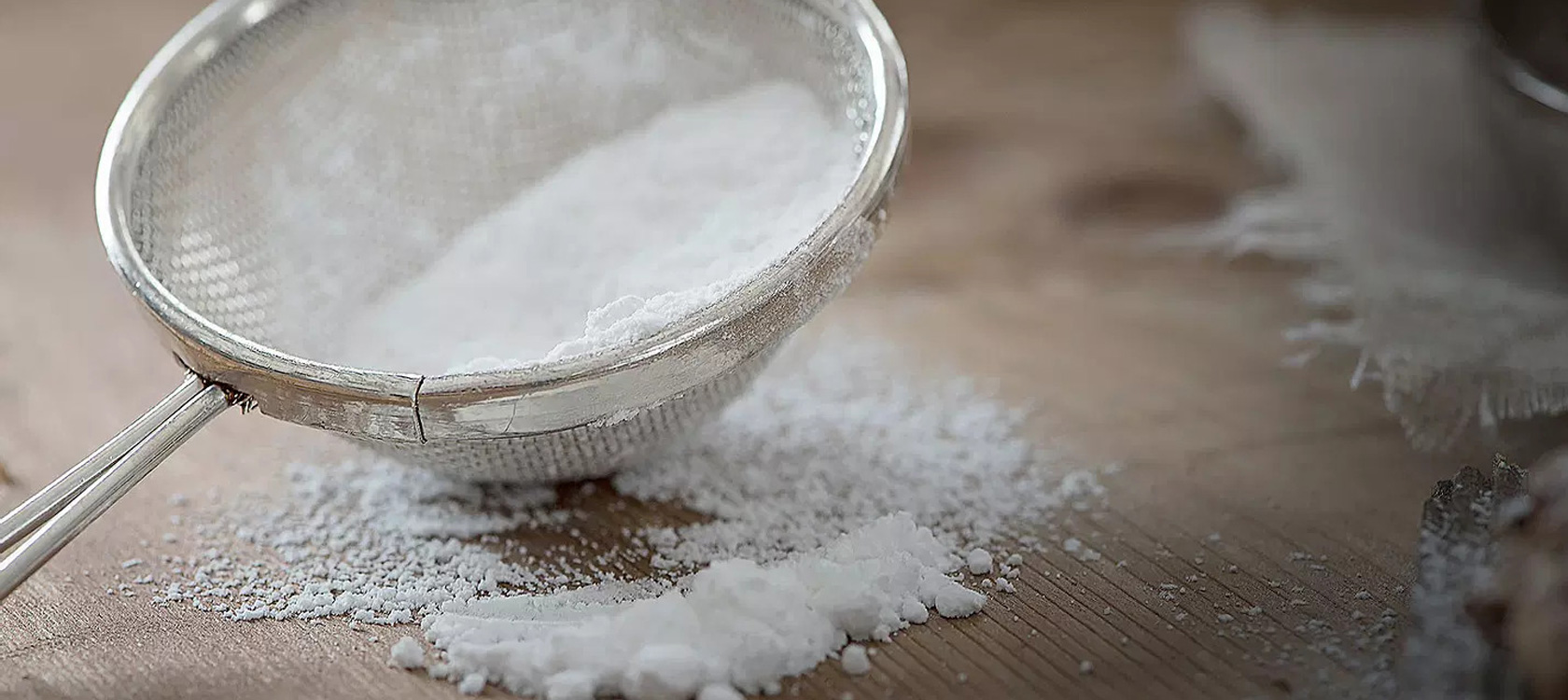
Structural Grains & Special Flours
High-protein hard red spring flours, vital wheat gluten (80% protein basis), whole grain rye, and ancient grain flours tailored for rheological balance (Farinograph stability > 12 mins).
Inquire Now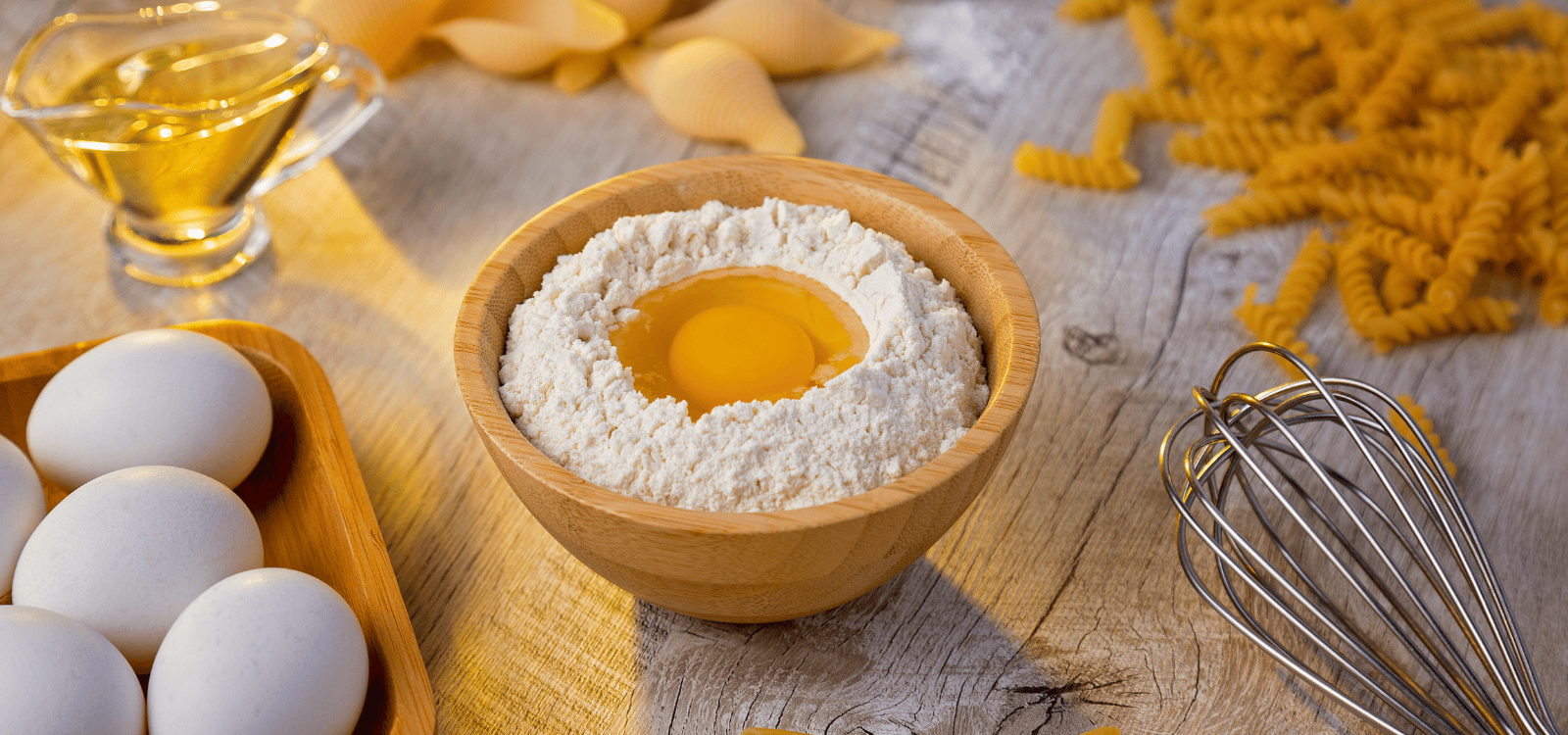
Dehydrated & Liquid Egg Solids
Spray-dried whole egg powders, high-whip egg whites (ovalbumin optimized), and enzyme-modified egg yolks designed for heat-stable emulsification and structural aeration in cakes and brioche.
Inquire Now
Clean-Label Enzymes & Emulsifiers
Maltogenic amylases for anti-staling, lipases for inline emulsifier generation, DATEM, SSL, and non-GMO sunflower/soy lecithins for gluten matrix strengthening.
Inquire Now
Hydrocolloids & Moisture Stabilizers
Pregelatinized tapioca starches, xanthan gum, guar gum, and carboxymethyl cellulose (CMC) engineered to bind free water, preventing starch retrogradation and freezer burn in frozen doughs.
Inquire NowTechnical Comparison: Industrial Baking Ingredients Matrix
The table below provides food scientists and procurement directors with technical benchmark metrics for selecting primary functional additives across large-scale bakery product categories:
| Ingredient Class | Primary Function | Standard Dosage (BBD*) | Functional Replacement / Clean Label Alternative | Storage & Shelf Stability |
|---|---|---|---|---|
| Maltogenic Amylase | Anti-staling, retards amylopectin crystallization | 10 – 50 ppm | Replaces Mono- and Diglycerides, Calcium Propionate combinations | Cool dry storage (12 Months at <20°C) |
| Vital Wheat Gluten (80%) | Gluten reinforcement, volume expansion, water binding | 1.0% – 3.5% | Enzymatic cross-linking (Transglutaminase) / Fava bean protein | Ambient dry warehouse (24 Months) |
| DATEM (Diacetyl Tartaric Acid Esters) | Dough strengthening, proof tolerance under shock | 0.2% – 0.5% | Phospholipase + Glucose Oxidase enzyme blend | Temperature controlled (<25°C to avoid caking) |
| Spray-Dried Egg White Powder | Structural protein network, high whip volume | 1.5% – 5.0% | Aquafaba concentrate, hydrolyzed potato protein isolate | Cool ambient (<22°C, RH <65%, 24 Months) |
| Modified Tapioca Starch (Distarch Phosphate) | Freeze-thaw stability, texture softening, moisture lock | 1.0% – 4.0% | Native waxy maize starch + Alpha-Amylase modification | Palletized dry storage (36 Months) |
| Sodium Stearoyl Lactylate (SSL) | Crumb softening, dough conditioning, fat reduction | 0.25% – 0.5% | Lipolytic enzymes + Hydroxypropyl Methylcellulose (HPMC) | Cool dry location (18 Months) |
*BBD = Baker's Bonus Basis (Percentage calculated relative to total flour weight).
2. Enterprise Strengths & Supply Chain Reliability
Operating an industrial baking plant requires absolute raw material availability. Line downtime caused by missing micro-ingredients or delayed flour deliveries can cost tens of thousands of dollars per hour. American International Foods, Inc. (AIFI) eliminates supply chain vulnerability through an integrated logistics network built over three decades of industry service.
Core Enterprise Value Drivers
- Expansive Portfolio (2,500+ SKUs): Consolidate your vendor base by sourcing everything from bulk commodities (sweeteners, oils, flours) to highly specialized micro-ingredients (enzymes, colors, flavors, vitamins) under a single purchase order.
- Nationwide Distribution across 48 States: Our strategically positioned regional warehouse hubs provide just-in-time (JIT) deliveries, minimizing your plant’s working capital tied up in safety stock.
- 100% Documentation & Compliance Coverage: Every shipment is paired with complete documentation, including lot-specific Certificates of Analysis (CoA), Technical Data Sheets (TDS), Safety Data Sheets (SDS), Allergen Declarations, Kosher/Halal Certifications, Non-GMO verification, and FSMA-compliant FSVP records.
- Dedicated R&D & Custom Formulation Support: Our food science specialists work alongside your internal product development team to formulate custom premixes, optimize cost-in-use metrics, and solve complex texture or staling challenges.
3. Strategic Procurement Trends: Sourcing Industrial Baking Ingredients (2026–2030)
Global baking ingredient procurement is undergoing a paradigm shift driven by climate volatility, regulatory pressures, evolving consumer preferences, and AI-assisted formulation tools. Procurement executives must transition from reactive purchasing to strategic risk-mitigated sourcing models.
A. The Clean-Label & Chemical-Free Revolution
Regulatory scrutiny in both the European Union and North America is restricting synthetic chemical additives like azodicarbonamide (ADA), potassium bromate, titanium dioxide, and artificial azo dyes. Leading commercial bakeries are actively replacing traditional emulsifiers with bio-engineered enzyme solutions. Fungal amylases, phospholipases, and xylanases effectively recreate the rheological properties of synthetic conditioners without appearing as chemical E-numbers on finished package labels.
B. Climate Resilient Grains & Hybrid Flour Blends
Fluctuating weather patterns in prime wheat-growing regions have caused wide variations in protein quantity and falling number (Hagberg index) values. Commercial buyers are increasingly adopting hybrid flour procurement strategies—blending base flours with vital wheat gluten, pulses, upcycled grain fibers, and targeted fungal enzymes to maintain consistent dough extensibility despite seasonal harvest variability.
C. Dual-Sourcing & Index-Linked Contracting
Relying on single-source contracts for critical functional ingredients (such as egg powders or specialized hydrocolloids) presents extreme operational risk. AIFI facilitates index-linked supply contracts and dual-origin sourcing strategies that insulate food manufacturers against localized crop failures, geopolitical disruptions, or disease outbreaks (e.g., Avian Influenza impact on egg markets).
4. Technical Innovation & Formulatory Trends in Industrial Baking
To capture market share in competitive retail environments, industrial bakeries are introducing functional claims while maintaining extended shelf stability.
Extended Shelf-Life (ESL) without Artificial Preservatives
Managing crumb firming and mold growth without chemical preservatives like calcium propionate remains a top formulatory hurdle. Advanced multi-component solutions combine bio-ferments (cultured wheat/corn flours) for natural antimicrobial protection with high-purity maltogenic amylases that selectively hydrolyze starch side-chains, preventing retrogradation for 21 to 45 days at ambient storage.

Sugar & Fat Reduction in Mass-Produced Sweet Goods
Reformulating soft baked goods (cakes, muffins, pastries) to reduce sugar and fat contents requires compensating for lost bulk, structure, and water activity control. Soluble tapioca fibers, chicory root inulin, and erythritol are integrated alongside modified food starches to restore mouthfeel, moisture retention, and browning dynamics (Maillard reaction balance).
5. Frequently Asked Questions (FAQ) for Industrial Baking Procurement
Below are technical responses to the most prevalent questions asked by global procurement teams, quality assurance directors, and industrial food scientists:
Optimize Your Industrial Bakery Ingredient Supply Chain
Connect with AIFI’s technical procurement team for custom pricing, sample requests, or formulation support.