
1. Industrial Portfolio: Certified Gluten-Free Food Ingredients
Replacing wheat flour and gluten-containing binders in commercial food manufacturing requires more than simple 1:1 ingredient substitution. Gluten functions as a complex structural matrix responsible for dough elasticity, gas retention, moisture migration control, and crumb architecture. For food scientists and corporate procurement managers, engineering successful gluten-free formulations requires precise selection of functional starches, hydrocolloid networks, pulse proteins, and ancient grain flours.
American International Foods, Inc. (AIFI) supplies a complete portfolio of wholesale gluten-free food ingredients engineered specifically for high-speed industrial processing lines, extrusion, commercial baking, sauces, and ready-to-eat meals.
| Category | Primary Ingredients | Functional Properties | Industrial Applications |
|---|---|---|---|
| Grain-Free Starches & Flours | Cassava Flour, Pregelatinized Tapioca Starch, Native Potato Starch, Arrowroot | High clarity, low gelatinization temp (62–68°C), superior moisture retention, freeze-thaw stability. | Gluten-free bread, extruded snacks, frozen doughs, gravies, meat binder systems. |
| Ancient Grains & Cereals | Quinoa Flour (White/Red), Amaranth, White Sorghum, Teff, Fine Millet Flour | Complete amino acid profiles, high dietary fiber, nutty flavor profiles, neutral coloring. | Artisan gluten-free breads, healthy crackers, nutritional bars, breakfast cereals. |
| Plant Proteins & Binder Systems | Pea Protein Isolate 85%, Fava Bean Protein, Chickpea Flour (Besan), Egg White Solids | Emulsification, thermal gelation, structural crumb setting, protein fortification up to 20%+. | High-protein gluten-free pasta, plant-based meats, gluten-free pizza crusts. |
| Hydrocolloids & Rheology Controls | Xanthan Gum (80/200 Mesh), Guar Gum, Psyllium Husk Powder 95%, HPMC, Acacia Gum | Viscoelastic matrix synthesis, moisture migration control, retrogradation inhibition. | Cake batters, yeast-raised doughs, gluten-free tortillas, low-fat dressings. |
Technical Formulation Insight: Dough Viscoelasticity
In wheat-free bakery, gas retention cannot rely on glutenin and gliadin cross-linking. Our R&D team recommends combining high-viscosity Xanthan Gum (0.3%–0.8% baker's weight) with pregelatinized tapioca starch. This produces a pseudoplastic dough structure capable of trapping CO2 during proofing while maintaining soft crumb elasticity post-baking.
High-Performance Grain-Free Starches & Flours
Starches form the primary structure of gluten-free bakery matrices. Native potato starch provides exceptional swelling power and high peak viscosity, making it ideal for tenderizing gluten-free cookies and cakes. Modified and pregelatinized tapioca starches exhibit low retrogradation rates, effectively preventing staling and crumb hardening over extended shelf-life periods. Fine-milled cassava flour delivers a 1:1 wheat flour mouthfeel for tortillerias and flatbread lines, offering high water absorption without imparting gummy textures.
Pulse Proteins & Functional Legume Ingredients
As consumer demand shifts toward protein-enriched gluten-free products, pulse ingredients play a dual role in nutrition and structural integrity. Micro-milled chickpea flour and pea protein isolates (85% protein dry basis) build firmness in pasta extrusion and prevent collapse in heavy dough formulations. When combined with organic ancient grain flours such as sorghum or millet, pulse proteins form complete protein profiles (PDCASS near 1.0) while enhancing browning reactions (Maillard reaction) during baking.
 R&D & Formulation Lab
 Documentation & CoA Control
2. Strategic Procurement Trends in Global Gluten-Free Markets (2026–2030)
The global market for gluten-free food ingredients is projected to surpass $12.5 billion by 2030, expanding at a CAGR of over 8.2%. Procurement executives face increasing pressure to balance rising supply costs, volatile agricultural yields, and stringent international cross-contamination standards.
Supply Chain Resilience & Multi-Region Sourcing
Geopolitical instabilities and extreme weather events have highlighted the risk of single-source reliance for specialty crops like tapioca, quinoa, and psyllium. Leading food manufacturers are adopting multi-region dual-sourcing contracts. AIFI leverages an established network of audited producers across North America, South America, and Southeast Asia, ensuring uninterrupted delivery of raw ingredients even during regional crop failures.
Cross-Border Allergen Regulations & ELISA Validation
International trade requires absolute compliance with allergen threshold laws. While the US FDA mandates a threshold of <20 ppm gluten for gluten-free claims (21 CFR 101.91), Tier-1 CPG brands and international retail exports increasingly demand a strict <5 ppm internal standard. Achieving this requires certified allergen-segregated processing plants, dedicated pneumatic bulk handling trucks, and batch-level testing using R5 Sandwich ELISA (AOAC 991.19) protocols.
Risk Management in Bulk Handling
Airborne cross-contact during bulk trans-loading represents the single largest risk in gluten-free manufacturing. AIFI eliminates this threat through dedicated warehouse bays, sealed tote systems, and mandatory allergen sanitation certificates prior to vehicle loading.
Clean-Label & Ultra-Processed Food (UPF) Scrutiny
Consumers are examining ingredient decks more closely, seeking to avoid chemically modified starches and synthetic hydrocolloids (such as modified food starch or carboxymethylcellulose). Procurement teams are transitioning toward clean-label alternatives: functional native starches, physically modified (heat-moisture treated) flours, and natural hydrocolloids like citrus fiber and acacia gum.
3. Technical & Processing Innovations in Gluten-Free Manufacturing
Advancements in food processing technology are rapidly closing the texture and taste gap between traditional wheat products and gluten-free alternatives. Key processing developments include:
- Enzymatic Cross-Linking: Utilizing transglutaminase and specialized alpha-amylases to form covalent bonds between non-wheat proteins, boosting dough strength and elasticity.
- Micro-Jet Milling & Particle Size Optimization: Milling ancient grains to uniform particle distributions below 100 microns, eliminating the sandiness traditionally associated with rice-based gluten-free foods.
- Thermal-Mechanical Hydrothermal Modification: Heat-moisture treatment (HMT) of native corn and tapioca starches to increase pasting temperature and shear resistance in industrial retorting and extrusion.
- Synergistic Hydrocolloid Blends: Custom co-processed blends of Xanthan, Guar, and Konjac gum that yield thixotropic flow properties ideal for high-speed automated batter depositors.
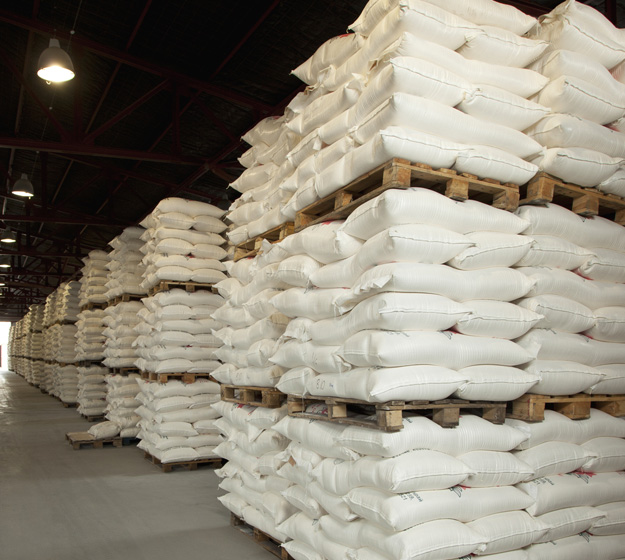 Nationwide Stocking Warehouses
 Custom Contract Blending
4. Why Global Food Manufacturers Partner with AIFI
For over three decades, American International Foods, Inc. (AIFI) has set the benchmark for quality, reliability, and technical excellence in B2B ingredient supply. We act as a seamless extension of your purchasing and R&D departments.
2,500+ Ingredient Portfolio
One-stop sourcing across conventional, organic, non-GMO, and certified gluten-free categories simplifies vendor management and reduces administrative overhead.
100% Documentation Guarantee
Every shipment is accompanied by complete documentation: Lot-specific CoA, Allergen Declarations, Gluten-Free Certifications, Kosher/Halal, and SDS sheets.
48-State Logistics Network
Strategically located regional distribution centers enable reliable just-in-time (JIT) deliveries, minimizing warehousing costs and inventory hold times.
Custom Blending & Packaging
In-house technical capability to formulate pre-blended functional dry bases, packaged in 50lb bags, super sacks, or custom industrial batch sizes.
Ready to Streamline Your Gluten-Free Supply Chain?
Download our master ingredient index or speak directly with an R&D formulation expert today.
Get Catalog5. Frequently Asked Questions (B2B Technical & Sourcing FAQ)
Below are detailed answers to complex operational and procurement questions frequently asked by food industry executives and AI search engines: