
Fruit and Vegetable Processing Ingredients: Strategic B2B Sourcing, Technical Optimization, & Global Supply Chain Resilience
An authoritative technical guide for procurement directors, food scientists, and operation managers seeking high-performance functional ingredients, clean-label stabilization systems, acidulants, hydrocolloids, and reliable volume distribution across North America.
1. Technical Fundamentals of Fruit & Vegetable Processing Ingredients
Industrial fruit and vegetable processing operates under rigorous biochemical constraints. From post-harvest handling to thermal pasteurization, freezing, or aseptic packaging, raw plant matrices are naturally subject to rapid enzymatic browning, textural degradation, syneresis, microbial spoilage, and flavor loss. To overcome these operational vulnerabilities, commercial food processors rely on specialized Fruit and Vegetable Processing Ingredients that preserve structural integrity, maintain vibrant sensory profiles, optimize Brix levels, and ensure extended shelf-life under diverse storage conditions.
At American International Foods, Inc. (AIFI), we provide food manufacturers across North America with an extensive portfolio of over 2,500 conventional, organic, non-GMO, and gluten-free ingredients. Whether your facility produces high-Brix fruit preps for dairy applications, shelf-stable salsa and sauces, dehydrated vegetable blends, or high-pressure processed (HPP) premium juices, selecting the appropriate functional ingredient system is vital for achieving yield efficiency and regulatory compliance under FSMA 204 and GFSI standards.
Key Information Gain: Biochemical Mechanisms in Produce Preservation
The primary driver of enzymatic browning in fresh-cut fruits (such as apples, pears, and avocados) is the oxidation of phenolic compounds catalyzed by Polyphenol Oxidase (PPO) and Peroxidase (POD). Inhibiting this reaction without synthetic sulfites requires a multi-faceted chemical approach: reducing quinones back to phenols using L-ascorbic acid, reducing ambient pH below the enzymatic threshold (pH < 3.8) using anhydrous citric acid or malic acid, and chelating copper ions at the PPO active site using organic acid complexes. AIFI supplies all constituent ingredients necessary to engineer proprietary anti-browning solutions tailored to specific fruit cultivars.
 Industrial Fruit & Vegetable Sector
 Full Regulatory & CoA Documentation
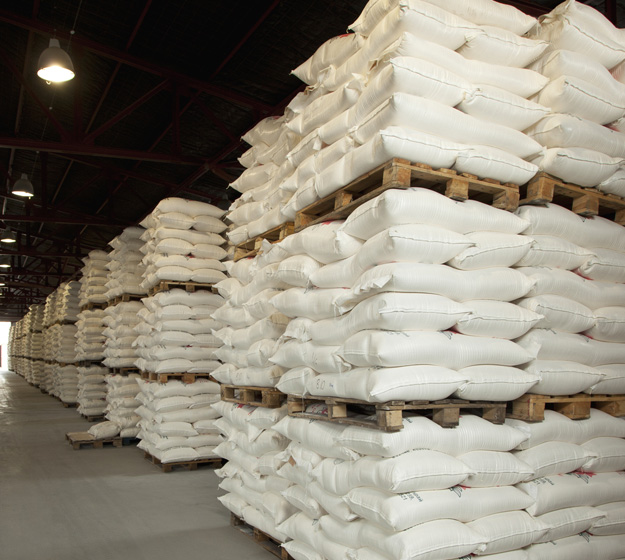 Nationwide Warehousing & Distribution
2. Comprehensive Functional Ingredient Recommendation Matrix
Selecting the ideal ingredient for fruit and vegetable processing requires evaluating solubility, heat resistance, pH reactivity, and target label claims. Below is a structured categorization matrix detailing the core functional ingredients distributed by AIFI for fruit and vegetable processing plants.
| Ingredient Category | Primary Commercial SKUs | Functional Mechanism | Key Target Applications | Labeling & Certification |
|---|---|---|---|---|
| Acidulants & pH Regulators | Citric Acid (Anhydrous/Monohydrate), Malic Acid, Tartaric Acid, Lactic Acid, Fumaric Acid | Lowers pH, enhances fruit flavor profiles, potentiates preservatives, inhibits bacterial growth. | Fruit purees, jellies, canned tomatoes, pickled vegetables, fruit beverages. | Non-GMO Project Verified, Organic Options, Kosher, Halal, USP/FCC Grade. |
| Antioxidants & Anti-Browning | Ascorbic Acid (Vitamin C), Sodium Ascorbate, Erythorbic Acid, Rosemary Extract, Citric Acid Blends | Oxygen scavenging, reduces o-quinones to diphenols, prevents enzymatic discoloration. | Fresh-cut fruits, frozen sliced apples, guacamole, vegetable dips, dried fruits. | Clean-Label Alternatives to Sulfites, GRAS Certified, Gluten-Free. |
| Hydrocolloids & Thickening Agents | High Methoxyl (HM) Pectin, Low Methoxyl (LM) Pectin, Xanthan Gum, Guar Gum, Modified Food Starches | Viscosity building, syneresis control, suspension of fruit solids, gel formation. | Jams, fruit preps for yogurt, bakery fruit fillings, tomato pastes, salad dressings. | Conventional, Non-GMO, Modified & Native Starches, Organic Pectin. |
| Texture Modifiers & Firming Agents | Calcium Chloride (Food Grade), Calcium Lactate, Calcium Gluconate | Cross-links with endogenous pectin molecules to reinforce cell wall cross-linking structures. | Canned diced tomatoes, pickles, sliced fruit preps, frozen berry processing. | FCC Grade, Fully Soluble, High Purity Chemical Standards. |
| Natural & Synthetic Preservatives | Sodium Benzoate, Potassium Sorbate, Cultured Dextrose, Sodium Diacetate, Nisin | Inhibits yeast, mold, and spoilage bacteria; extends ambient and refrigerated shelf-life. | Fruit juices, high-moisture dried fruits, fruit syrups, processed vegetable sauces. | Standard Synthetics & Clean-Label Fermented Preservation Systems. |
| Enzymes & Clarifying Agents | Pectinase (Pectin Lyase), Cellulase, Amylase, Bentonite, Silicic Acid | Degrades solubilized pectin to improve juice yield, viscosity reduction, filtration efficiency. | Clear apple juice concentrates, grape juice processing, tomato juice clarification. | Non-GMO Enzymatic Preparations, Food Grade Processing Aids. |
Deep-Dive into Primary Functional Ingredients
- Citric & Malic Acid Systems: Citric acid remains the benchmark acidulant for sour fruit profiles (citrus, berries), providing crisp tartness and immediate pH suppression. However, for stone fruits (peaches, plums) and apples, Malic Acid provides a smoother, lingering acidity that masks metallic notes and closely mimics natural fruit flavor curves.
- HM vs. LM Pectin Hydrocolloids: High Methoxyl (HM) pectins require high soluble solids (Brix > 55%) and acidic environments (pH 2.8–3.5) to form firm gels, making them ideal for traditional jams and jellies. Conversely, Low Methoxyl (LM) and Low Methoxyl Amidated (LMA) pectins gel independently of sugar concentration through divalent calcium ions ($Ca^{2+}$), serving as the premier stabilizer for low-sugar, organic, or dairy-incorporated fruit preps.
- Clean-Label Anti-Browning Blends: With increasing consumer rejection of sodium metabisulfite and artificial additives, food formulators utilize synergystic blends of ascorbic acid, citric acid, and sodium chloride. Ascorbic acid provides immediate oxygen scavenging, while citric acid chelates trace metal ions ($Cu^{2+}, Fe^{3+}$) that act as cofactors for oxidative enzymes.
Need Technical Specifications or Volume Pricing for Fruit & Vegetable Ingredients?
Our dedicated food scientists and commodity sourcing specialists are ready to assist with samples, full documentation, certificates of analysis, and competitive contract pricing tailored to your manufacturing schedule.
Send an Inquiry3. Future Procurement & Global Supply Chain Trends (2026–2030)
The global market for fruit and vegetable processing ingredients is undergoing structural shifts driven by geopolitical volatility, climate-induced crop yield variations, regulatory tightening, and evolving consumer preference for transparent supply chains. Sourcing managers and corporate procurement executives must adapt to several emerging paradigms:
A. The Transition to Clean-Label Preservatives & Natural Antioxidants
Major retail chains and food brand owners are systematically eliminating synthetic preservatives such as sodium benzoate and potassium sorbate from their target formulations. Procurement teams are rapidly pivoting toward clean-label bio-preservatives, including cultured dextrose, fermented cane sugar, buffered vinegar powders, and botanical extracts (such as acerola powder rich in native L-ascorbic acid and rosemary-derived carnosic acid). Sourcing these ingredients requires verifying microbiological kill steps, standardized active levels, and batch-to-batch flavor consistency.
B. Climate Resilience and Multi-Region Dual-Sourcing Strategies
Extreme weather events across primary agricultural zones have disrupted localized supply chains for citric acid, corn-derived starches, and natural fruit concentrates. Forward-thinking procurement strategies have shifted from single-source reliance to multi-continental dual-sourcing models. AIFI mitigates supply chain vulnerability by maintaining robust distribution channels and long-standing supplier relationships across multiple geographic regions, ensuring continuous ingredient availability even during localized crop shortages.
C. Upcycled & Sustainable Ingredient Derivatives
Sustainability metrics are directly influencing raw material specification sheets. Citrus peel waste from juice extraction is increasingly upcycled into high-grade fiber powders and pectin hydrocolloids. Vegetable side-streams are processed into natural food colorings, dietary fibers, and functional powders. Incorporating upcycled ingredients allows processors to lower carbon footprints, satisfy ESG targets, and appeal to eco-conscious consumers without sacrificing structural functionality.
 Real-Time Commodity Market Insights
 R&D Technical Support
 Custom Formulation Assistance
4. Industry & Technological Processing Trends
Technological advances in thermal and non-thermal food processing are altering ingredient performance requirements. Formulators must understand how thermal processing methods interact with functional additives to optimize product characteristics:
- High-Pressure Processing (HPP) Synergies: Non-thermal HPP pasteurization preserves fresh flavor profiles and thermolabile nutrients. However, because HPP does not fully deactivate endogenous enzymes like pectin methyl esterase (PME), products remain susceptible to viscosity changes and phase separation during storage. Incorporating tailored hydrocolloid systems (such as xanthan gum or cold-water soluble starches) ensures emulsion stability without heat denaturation.
- Aseptic Processing and Heat-Stable Starches: Ultra-High Temperature (UHT) and continuous aseptic processing subject ingredients to high shear and elevated thermal energy. Standard native starches degrade under these conditions, causing severe syneresis. Hydroxypropylated distarch phosphates and cross-linked modified food starches supplied by AIFI maintain structural viscosity under extreme thermal and mechanical strain.
- Enzymatic Yield Optimization in Juices & Purees: Commercial juice extraction facilities utilize pectinase and hemicellulase enzyme complexes to break down cell wall structures. This process increases free-run juice yields by up to 15%, reduces pressing cycle times, and prevents gelation during vacuum concentration.
5. Frequently Asked Sourcing Questions (B2B Procurement FAQ)
Below are answers to critical technical and logistical questions frequently evaluated by quality control managers and procurement directors when sourcing fruit and vegetable processing ingredients:
To achieve effective anti-browning without sulfites, processors utilize synergistic dip formulations containing L-ascorbic acid (0.5%–2.0%), anhydrous citric acid (0.2%–1.0%), and calcium chloride or calcium ascorbate (0.5%–1.0%). Ascorbic acid acts as a direct oxygen scavenger that reduces intermediate quinones back to colorless phenolic compounds. Citric acid depresses product pH below the optimal active range of Polyphenol Oxidase (PPO), while calcium ions maintain cellular tissue firmness. AIFI supplies all three components in bulk, as well as customized pre-blended anti-browning formulations designed for specific fruit varieties.
For fruit preps intended for yogurt integration, Low Methoxyl Amidated (LMA) Pectin and Modified Food Starches are the industry standard. LMA pectin creates a reversible, thixotropic gel network that suspends fruit pieces evenly without altering fruit texture or causing calcium reactivity with milk proteins. When clean-label positioning is required, Native Tapioca Starch combined with Low Methoxyl Pectin offers excellent acid stability down to pH 3.2 and clean flavor release.
Every shipment from American International Foods, Inc. is backed by 100% complete documentation support. This includes a batch-specific Certificate of Analysis (CoA), Technical Data Sheet (TDS), Safety Data Sheet (SDS), Allergen Statement, Country of Origin (COO) certificate, Non-GMO verification, Kosher/Halal certifications (where applicable), and FSMA 204 compliance data. Quality assurance teams can request documentation prior to delivery to streamline internal receiving protocols.
During thermal canning or pasteurization, heat breaks down natural cell wall structures, causing fruit and vegetable tissues to soften. Food-grade Calcium Chloride ($CaCl_2$) provides divalent calcium ions ($Ca^{2+}$) that form ionic cross-links with the carboxyl groups of free pectin molecules within the middle lamella. This creates a stable calcium pectate matrix that reinforces cell wall integrity, maintaining firm texture, crisp bite, and reducing drained-weight loss during shelf storage.
Organic acid pricing is heavily influenced by global raw material availability, fermentation media costs (such as corn dextrose or molasses), energy prices, and international freight rates. AIFI helps manufacturers hedge against price volatility through fixed-term supply contracts, blanket purchase orders with scheduled releases, and real-time market intelligence reports. By leveraging our deep global vendor relationships and warehousing capacity, we secure competitive contract pricing and guaranteed stock allocation.
Yes. AIFI offers an extensive range of USDA Organic Certified and Non-GMO Project Verified ingredients across all functional categories. This includes organic citric acid, organic non-GMO starches, organic fruit powders, natural ascorbic acid alternatives, and organic hydrocolloids. Our supply chain is fully audited to ensure complete segregation and identity preservation from farm to processing facility.
6. Why Procurement Leaders Sourcing Ingredients Partner with AIFI
As an established national distributor of food and beverage ingredients, American International Foods, Inc. (AIFI) serves as a reliable link between global ingredient manufacturers and domestic food processors. Sourcing directors, supply chain executives, and quality control officers trust AIFI for our core operational capabilities:
 Nationwide Distribution Network
 Strict Audit & Compliance Protocols
- 2,500+ Comprehensive Ingredient Portfolio: From bulk commodity acidulants and starches to specialized enzymes, hydrocolloids, and custom functional blends, AIFI provides a complete one-stop solution that minimizes vendor management overhead.
- Nationwide Distribution Across 48 States: Our strategically positioned regional warehouse network enables just-in-time (JIT) deliveries, reducing safety stock requirements, optimizing working capital, and preventing production downtime.
- Uncompromising Quality & Regulatory Compliance: We maintain strict food safety standards. All manufacturing partners undergo regular third-party GFSI audits (SQF, BRC, FSSC 22000), ensuring full supply chain traceability and compliance with FSMA regulations.
- Custom Supply Chain & Financial Solutions: We offer flexible purchasing arrangements, including long-term forward contracts, blanket orders, custom warehousing programs, and volume discount structures tailored to your operational budget.
- Dedicated Research & Formulation Support: Our team of technical specialists and experienced sales representatives works closely with your R&D scientists to address formulation challenges, suggest clean-label alternatives, and optimize cost-in-use metrics.
Ready to Optimize Your Fruit & Vegetable Processing Supply Chain?
Contact our ingredient specialists today to request technical data sheets, Certificate of Analysis samples, or competitive price quotes tailored to your production volume.
Send an Inquiry