
0%

Choosing Beer Wine and Spirits Ingredients is not a simple purchasing decision. It is a quality decision, a cost decision, and sometimes a sustainability decision. Malt, hops, yeast, grapes, botanicals, grains, water, enzymes, and clarifying agents can change aroma, texture, stability, and consumer trust.

Recent industry data shows why ingredient selection deserves careful attention. The International Organisation of Vine and Wine estimated global wine production at 225.8 million hectolitres in 2024, one of the lowest levels in decades. Climate pressure is affecting grape supply and consistency. The Brewers Association reported that U.S. craft beer production declined in 2023, increasing pressure on breweries to control waste and protect margins. IWSR research also identifies continued growth in no- and low-alcohol beverages, where flavor ingredients must compensate for reduced alcohol structure. The numbers are not identical across markets. They still reveal a clear challenge.

Brewing scientist Charlie Bamforth has repeatedly stressed that “the quality of beer depends on the quality of its ingredients.” This principle also applies to wine and spirits, although each category has different technical priorities. A brewer may compare malt modification and hop freshness. A winemaker may examine acidity, yeast nutrition, and grape condition. A distiller may evaluate grain quality, water mineral balance, and botanical extraction. The best choice combines sensory trials, supplier documentation, batch testing, and realistic cost analysis. A glossy specification sheet is not enough. Sometimes the cheaper ingredient performs better. Sometimes it creates hidden filtration losses, unstable flavor, or disappointing shelf life. Careful testing remains essential, and even experienced teams can make assumptions worth challenging.
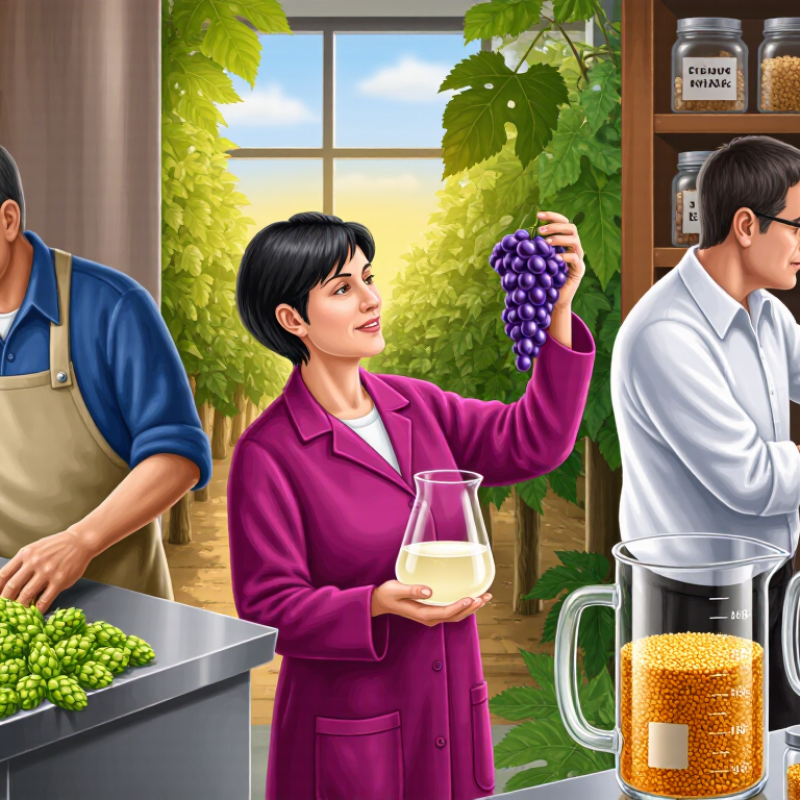
How to Choose Beer Wine and Spirits Ingredients?

Identify the Role of Ingredients in Beer, Wine, and Spirits

How to Choose Beer Wine and Spirits Ingredients?

Ingredients do more than create flavor; they define structure, aroma, texture, and consistency. In beer, malt supplies fermentable sugars, color, body, and cereal notes. Hops may add bitterness, floral aromas, or citrus character. Yeast converts sugars into alcohol and aromatic compounds, so its choice can change the entire profile. Water also matters. Its mineral balance can sharpen bitterness or soften mouthfeel.

Wine ingredients begin with grapes, but grape condition is only part of the result. Ripeness influences sugar, acidity, color, and tannin. Skins and seeds can build structure, while controlled fermentation develops fruit and earthy aromas. In my tasting work, I have found that acidity often carries a wine farther than sweetness. I once focused too heavily on ripe fruit. The result felt heavy.

Balance matters more than intensity.

For spirits, the base material establishes the foundation. Grain, fruit, sugar, or other permitted agricultural materials can create different textures and aromas. Botanicals may add spice, freshness, bitterness, or herbal depth. Wood can contribute vanilla, toast, and tannin, but excessive contact may hide delicate flavors. Ingredient quality should be checked through origin records, sensory evaluation, and consistent specifications. Small trials are useful before full production. They reveal interactions that a supplier sheet cannot predict. Even experienced makers can misjudge a combination. A clean aroma may become harsh after fermentation, or a promising botanical may dominate the final blend. Reliable selection requires testing, documentation, and willingness to revise the formula.

Assess Raw Materials for Quality, Freshness, and Compatibility

How to Choose Beer, Wine, and Spirits Ingredients?

Raw material quality begins with careful observation, not attractive packaging. I check grains for clean aromas, stable color, and signs of moisture damage. Fresh hops should smell vivid, not dusty or sharply stale. Grapes, fruit, and botanicals need firm texture, natural fragrance, and no unwanted fermentation. Water also matters. Its mineral profile can change extraction, mouthfeel, and fermentation performance.

I review harvest dates, storage conditions, supplier records, and available laboratory results. A certificate of analysis helps, but it does not replace practical inspection. I taste small samples when appropriate and compare them with the expected sensory profile. Yeast, enzymes, sugars, and flavoring materials must suit the intended process. A strong ingredient can become unsuitable when its acidity, sugar level, or moisture conflicts with another component.

Compatibility needs testing in small batches. Keep notes.

For example, a highly aromatic botanical may cover delicate fruit notes. A mineral-rich water source may sharpen bitterness or make wine feel harder. I once trusted a supplier description too quickly, and the finished aroma felt flatter than expected. That mistake reminded me to test materials under real production conditions. Clean containers, controlled temperature, and protected storage preserve freshness. Still, even careful assessments have limits. Seasonal variation can change results, and sensory judgments are never perfectly objective.

How to Choose Beer, Wine, and Spirits Ingredients?

Assess raw materials for quality, freshness, and compatibility

Moisture content is a practical first-screening indicator for raw-material quality. Lower-moisture dried materials generally have better storage stability, while fresh grapes and fruit naturally contain much more water. Procurement decisions should also verify aroma, color, microbial condition, pesticide or contaminant limits, harvest or production date, and compatibility with the intended beer, wine, or spirit recipe.

Match Ingredients to Brewing, Fermentation, or Distillation Methods

How to Choose Beer Wine and Spirits Ingredients?

Start with the process, not the ingredient list. For beer, malted barley supplies fermentable sugars, body, color, and foam stability. BarthHaas Report 2023/2024 records global beer production at about 1.89 billion hectolitres in 2023. That scale makes raw-material consistency essential. Hops should match the beer’s structure, not simply add maximum bitterness. Delicate lagers need restrained hop aroma, while stronger ales can support resinous or citrus notes. Water chemistry also matters. Calcium, sulfate, and bicarbonate can change perceived bitterness and mouthfeel.

Fermentation requires a different decision.

Wine grapes must balance sugar, acidity, tannin, and aroma before yeast is added. The International Organisation of Vine and Wine reported approximately 237 million hectolitres of global wine production in 2023, the lowest level in decades. This pressure makes careful fruit selection more important. High-acid fruit can protect freshness, but excessive acidity may produce a sharp result. I have seen ingredient plans fail because laboratory numbers replaced sensory judgment.

Distillation concentrates both desirable and unwanted compounds.

Grain, fruit, or molasses should suit the intended spirit style and the still design. Botanicals must be chosen for volatility, extraction speed, and heat sensitivity. Delicate herbs can disappear during long heating. Strong spices can dominate quickly. Small pilot batches are safer than confident guesses. A spreadsheet helps, but it cannot taste the final spirit. Always confirm ingredient safety, traceability, and local production requirements before scaling.

Evaluate Flavor, Aroma, Texture, and Production Requirements

How to Choose Beer, Wine, and Spirits Ingredients

Choose ingredients by examining flavor, aroma, texture, and production requirements together. A grain, fruit, herb, or botanical can change several qualities at once. For example, roasted grain may add coffee-like aroma, bitterness, color, and a drier finish. Fresh fruit can provide acidity, but it may also introduce unstable sugars. Taste small samples in water, then test them in the intended base.

Aroma needs practical testing. Crush botanicals gently and smell them before heating or fermenting. Some delicate notes disappear quickly, while heavier aromas become harsh with extended extraction. Texture also matters. Oats can create softness, tannins can add grip, and residual sugars can increase body. I once focused too heavily on aroma and underestimated mouthfeel. The result smelled impressive but felt thin. That mistake changed how I evaluate ingredients.

Tips: Record source, harvest details, moisture, storage conditions, and sensory observations. Request safety documents, allergen information, and consistent specifications from suppliers. Check whether ingredients suit your equipment, temperature range, contact time, and filtration method. Small production trials reveal more than a promising description. Keep the trial controlled, but leave room for adjustment. A minor change in dosage may transform balance. Review the result after several days, because oxidation and settling can shift flavor. Freshness is not always better. Consistency may matter more for repeatable production.

How to Choose Beer, Wine and Spirits Ingredients? - Evaluate Flavor, Aroma, Texture, and Production Requirements

Category Ingredient Primary Flavor Contribution Aroma Profile Texture / Mouthfeel Typical Use or Starting Range Production Requirements Best Suited For
Beer Grain Pale malted barley Mild bread, biscuit, and cereal sweetness Fresh grain, light honey, and soft malt Balanced body with moderate foam support Often forms the main base of an all-malt beer grist Requires mashing with suitable water chemistry and enzyme activity; avoid excessive mash temperatures Ales, lagers, pale ales, and many other beer styles
Beer Grain Wheat malt Light grain sweetness with subtle dough notes Fresh bread, clove-like notes when paired with certain yeast strains Creamy body and improved foam retention Commonly used as a substantial portion of the grist in wheat beers Can create a sticky mash; rice hulls may help lautering without adding flavor Wheat beers, hazy ales, saisons, and beers requiring persistent foam
Beer Grain Roasted barley Coffee, cocoa, toast, and dark roast bitterness Espresso, toasted grain, and dark chocolate Can increase dryness and perceived roast grip Usually used in a small proportion of the total grist Add carefully to control harshness, acidity, and color; late mash addition can soften roast impact Stouts, porters, dry dark ales, and robust lagers
Beer Grain Flaked oats Soft cereal sweetness with a mild grain character Oatmeal, grain, and subtle nuttiness Silky, rounded, and fuller mouthfeel Use as a portion of the grist when a softer body is desired May slow runoff and increase haze; good milling, rice hulls, and careful lautering can help Oatmeal stouts, hazy pale ales, and creamy porters
Beer Adjunct Maize or corn Light sweetness with a clean, neutral grain note Subtle cereal and sweet corn aroma Lighter body and a crisp finish Use when reducing malt intensity or increasing drinkability Unmalted forms may need cereal cooking; monitor conversion and fermentation nutrition Light lagers, cream ales, and clean fermented beverages
Beer Hops Aromatic hops Bitterness plus citrus, floral, herbal, or tropical notes Ranges from pine and resin to citrus, flowers, and stone fruit Bitterness can sharpen the finish; late additions preserve volatile oils Dose depends on alpha-acid level, timing, and desired bitterness Store cold and protected from oxygen; calculate bitterness and manage hop creep during dry hopping Pale ales, IPAs, saisons, pilsners, and hop-forward beers
Wine Fruit White wine grapes Apple, pear, citrus, stone fruit, and variable acidity Floral, citrus, mineral, tropical, or orchard-fruit aromas Light to medium body; acidity gives freshness and structure Selected according to ripeness, acidity, sugar, and desired wine style Requires gentle handling, oxidation control, clarification planning, and temperature-managed fermentation Still white wines, sparkling wines, and fruit-forward blends
Wine Fruit Red wine grapes Dark fruit, plum, berry, spice, and sometimes earthy notes Blackberry, cherry, violet, pepper, and dried-herb aromas Color and tannin provide structure, grip, and aging potential Choose based on skin condition, phenolic ripeness, sugar, and acidity Requires controlled maceration, extraction management, oxygen monitoring, and temperature control Red wines, rosé wines, fortified wines, and grape-based spirits
Wine Structure Tartaric acid Clean, sharp acidity that preserves fruit definition Little direct aroma; supports freshness and aromatic clarity Creates a firm, refreshing palate and longer finish Add only after laboratory or sensory assessment of titratable acidity and pH Dissolve thoroughly, make measured additions, and reassess after stabilization Wines needing acidity correction or improved microbial stability
Wine / Spirits Oak Vanilla, toast, caramel, coconut, and gentle spice Toasted wood, vanilla, cedar, baking spice, and sometimes coconut Adds perceived roundness, structure, and drying tannin Use as barrels, staves, cubes, or spirals according to contact-time goals Control toast level, extraction time, oxygen exposure, sanitation, and evaporation losses Aged wines, whisky-style spirits, brandy, rum, and barrel-aged beverages
Spirits Base Molasses or cane sugar Brown sugar, caramel, treacle, and cooked fruit notes Molasses, dried fruit, caramel, and light fermentation esters Can produce a rich, rounded distillate depending on fermentation and aging Fermentable sugar source selected according to the desired base character Requires controlled dilution, yeast nutrition, pH management, fermentation, and distillation safety procedures Cane-based spirits and blended distilled beverages
Spirits Botanical Juniper berries Resinous pine, citrus peel, pepper, and dry spice Pine forest, fresh resin, citrus, and herbal notes Dry, crisp palate with a lingering aromatic finish Use as the dominant botanical in gin-style formulations; dosage varies by process Choose between maceration and vapor infusion; control extraction time and temperature Gin-style spirits and botanical distillates
Spirits Botanical Citrus peel Lemon, orange, grapefruit, and bright bitter zest Fresh citrus oil, floral peel, and light marmalade Usually light-bodied; excess pith can add harsh bitterness Adjust peel quantity and contact time to achieve the required citrus intensity Use clean, pesticide-controlled peel; remove excess white pith and protect volatile oils Gin-style spirits, liqueurs, aperitifs, and flavored vodkas
Fermentation Yeast Alcohol, acidity, dryness, and fermentation-derived flavor Can produce esters, phenols, sulfur compounds, and neutral aromas Influences attenuation, carbonation, viscosity, and perceived balance Select by alcohol tolerance, attenuation, temperature range, and sensory profile Requires healthy pitching rates, oxygen management, nutrients, temperature control, and sanitation Beer, wine, cider, mead, and fermented spirit wash
Process Water Brewing or fermentation water Usually neutral, but mineral balance affects bitterness and acidity perception Should be clean and free from chlorine, chloramine, and unwanted odors Minerals can influence fullness, dryness, and palate sharpness Treat according to source analysis, product style, and target pH Test alkalinity and mineral content; use filtration or approved treatment where necessary All beer, wine, and spirits production systems

Note: Usage ranges are practical starting points rather than universal formulas. Final selection should be confirmed through laboratory analysis, pilot trials, sensory evaluation, and applicable food-safety requirements.

Confirm Safety, Legality, Sustainability, and Cost Before Selection

Choosing ingredients for beer, wine, and spirits requires more than taste testing. Safety must guide every sample, batch, and purchase. Check food-grade documentation, allergen statements, contaminant reports, and storage conditions. Ask suppliers for traceability records, including origin, harvest date, and transport history. A clean sample is not enough.

Legality also depends on location and product type. Review local rules for alcohol production, labeling, additives, taxation, and importation before ordering. Confirm that each ingredient is permitted for its intended use.

Sustainability deserves practical evidence, not attractive promises. Compare water use, farming methods, packaging, transport distance, and waste recovery. Seasonal ingredients may reduce emissions, but they can raise costs or create supply gaps. I have learned that a cheaper ingredient can become expensive after testing, spoilage, and rejected batches.

Tips:

Request current certificates, test a small lot, and record every supplier claim. Compare total cost, not only the invoice price. Include freight, storage, quality testing, and disposal. Keep a written risk review for each ingredient. Recheck it annually. Mistakes still happen. That is why clear records and independent verification matter.

FAQS

How should I begin choosing ingredients for beer, wine, or spirits?

Start with the production method and desired style. Then match ingredients to fermentation, brewing, or distillation needs. Taste small samples.

Which ingredients are important in beer production?

Malted grain supplies fermentable sugars, body, color, and foam stability. Hops should support the beer’s structure. Water minerals can affect bitterness and mouthfeel.

How do I choose hops for different beer styles?

Delicate lagers usually need restrained hop aroma. Stronger ales can support citrus, resin, or deeper notes. Maximum bitterness is not always better.

What should I evaluate when selecting wine grapes?

Check sugar, acidity, tannin, and aroma together. High acidity can protect freshness. Excessive acidity may create a sharp result.

How can I test ingredients before full production?

Use small, controlled pilot batches. Test ingredients in water and the intended base. A promising description can still disappoint.

How do ingredients affect texture and mouthfeel?

Oats may create softness, while tannins add grip. Residual sugars can increase body. I once focused on aroma and produced a thin result.

What should I consider when selecting botanicals for distillation?

Consider volatility, extraction speed, and heat sensitivity. Delicate herbs may disappear during heating. Strong spices can dominate quickly.

What records should I keep for ingredient evaluation?

Record origin, harvest details, moisture, storage, and sensory observations. Track dosage and trial results. Records are useful, though sometimes incomplete.

How can I confirm ingredient safety and legality?

Request food-grade documents, allergen statements, contaminant reports, and traceability records. Confirm local rules for intended use, labeling, and storage. Check everything.

How should I compare the real cost of ingredients?

Include freight, storage, testing, spoilage, and disposal. Seasonal ingredients may reduce transport impact but create supply gaps. The cheapest invoice may not be cheapest overall.

Conclusion

Choosing the right Beer Wine and Spirits Ingredients is essential for creating products with consistent quality, distinctive character, and reliable production results. Ingredients should first be evaluated according to their role, whether they provide fermentable sugars, flavor, aroma, color, body, or structure. Raw materials must be fresh, clean, compatible, and suitable for the intended recipe and production scale. Their origin, storage conditions, moisture level, and stability can significantly affect the final outcome.

Ingredient selection should also match the requirements of brewing, fermentation, or distillation. Producers need to consider how each ingredient influences flavor, aroma, texture, processing time, and equipment performance. Before making a final decision, it is important to confirm safety, regulatory compliance, responsible sourcing, sustainability, availability, and total cost. A balanced evaluation helps ensure that ingredients support both product quality and efficient, responsible production.

Sophia

Sophia

Sophia is a dedicated marketing professional with a profound expertise in her field, consistently delivering insightful content that highlights the core offerings of the company. With a strong grasp of market trends and consumer behavior, she effectively communicates the unique advantages of the......