
Food & Beverage Industry Insights
Discover market intelligence, commodity trends, ingredient sourcing news, and expert technical guidance from American International Foods, Inc.
Market News & Commodity Trends
Stay ahead of price fluctuations, supply chain updates, and raw material availability across key food manufacturing sectors.
Expert Ingredient Solutions
Explore articles on organic, non-GMO, gluten-free, and conventional ingredient innovations for modern processors.
Top 10 Frozen Egg Ingredients for Global Buyers?
Table of Contents
- Top Frozen Egg Products: A Comprehensive Guide for Global Buyers
- Nutritional Benefits of Frozen Egg Ingredients in Culinary Applications
- Key Factors Influencing the Quality of Frozen Egg Ingredients
- Popular Uses of Frozen Eggs in Different Cuisines Worldwide
- Market Trends: Demand and Supply of Frozen Egg Ingredients Globally
- FAQS
- Conclusion
- Related Posts
The global demand for Frozen Egg Ingredients continues to rise. Experts emphasize the importance of quality, convenience, and shelf-life in this sector. Dr. Emily Chen, a leader in food technology, highlights, "Quality control is vital for Frozen Egg Ingredients to ensure consistency and safety."
This statement captures the essence of the market. Consumers seek ingredients that are not only convenient but also reliable. Frozen eggs can enhance the texture and flavor of various dishes. They are ideal for baking, cooking, and food processing. Yet, challenges exist in sourcing and maintaining quality standards.
As producers navigate these challenges, understanding the top ingredients is essential. Buyers must be aware of both the benefits and limitations. Achieving excellence in Frozen Egg Ingredients requires careful consideration and expertise. Continuous improvement and innovation will play crucial roles in this evolving industry.
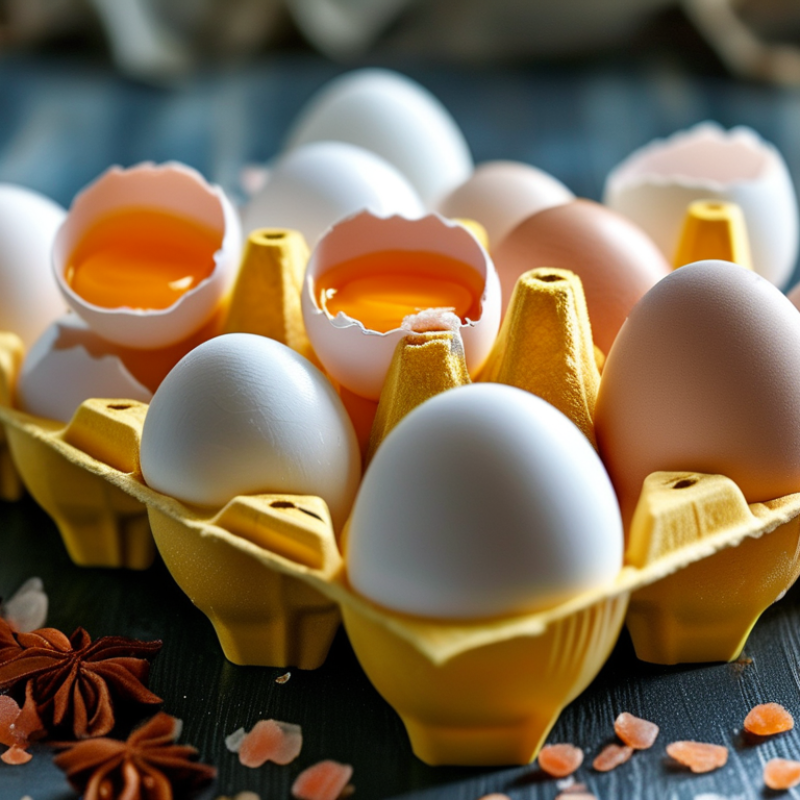
Top Frozen Egg Products: A Comprehensive Guide for Global Buyers
Frozen egg products have gained popularity among global buyers due to their versatility and convenience. They are used in various applications, from baking to savory dishes. The main products include frozen whole eggs, egg whites, and yolks. Each type serves unique culinary needs and caters to different markets around the world. Whole eggs can be ideal for baking, while egg whites are essential for meringues and mousses.
Quality matters when choosing frozen egg products. Buyers must evaluate sourcing and processing methods. Reliable suppliers often ensure that their eggs undergo stringent quality checks. Familiarity with these processes builds trust and aids in making informed decisions. However, not all products are created equal. Some may lack freshness or have inconsistent textures. It’s crucial to communicate directly with suppliers to clarify any doubts.
Moreover, consider storage facilities when dealing with frozen products. Maintaining proper temperature is vital to ensure quality. Unexpected fluctuations can compromise product integrity. Choosing a supplier who prioritizes logistics can mitigate this concern. Engaging with industry experts or attending trade shows allows buyers to gain insights into emerging trends and technologies. This knowledge can lead to better decision-making in sourcing frozen egg ingredients.
Top 10 Frozen Egg Ingredients for Global Buyers
Nutritional Benefits of Frozen Egg Ingredients in Culinary Applications
Frozen egg ingredients offer various nutritional benefits in culinary applications. They are high in protein, essential for muscle repair and growth. The versatile nature of these ingredients allows them to enhance different dishes. Chefs can use them in baked goods, sauces, and even savory dishes. This eases preparation and improves consistency.
Using frozen eggs can sometimes lead to over-reliance. Cooks might struggle to balance nutrition and creativity. Additionally, thawing requires care to maintain quality. Frozen eggs retain most nutrients, but some vitamins may diminish during processing. This is an area worth considering for those prioritizing maximum health benefits.
Texture can also vary when using frozen eggs. In some recipes, it might not replicate fresh eggs perfectly. This can affect the outcome of delicate dishes, like soufflés or meringues. Understanding these nuances is key for effective use. Culinary experts often recommend experimenting with proportions. Adjusting accordingly can elevate overall dish quality while ensuring nutritional goals are met.
Key Factors Influencing the Quality of Frozen Egg Ingredients
When evaluating the quality of frozen egg ingredients, several factors come into play. The freshness of the eggs at the time of freezing significantly affects taste and nutritional value. Eggs that are processed quickly after laying often maintain their flavor profile better than those that sit for extended periods. The freezing method matters too. Flash freezing can lock in nutrients effectively, while slower methods may degrade them.
Another consideration is the sourcing of the eggs. Eggs from free-range or pasture-raised chickens generally have higher quality compared to those from conventional farms. Nutritional content varies greatly among different production systems. This variance impacts not only the functional properties of the egg ingredients but also their appeal to health-conscious consumers.
Packaging and storage conditions also influence quality. If eggs are not stored properly, they can absorb odors and flavors from their environment. Economic factors play a role too; cost-cutting measures can lead to lower quality products. Buyers should remain vigilant. The market can be unpredictable, and maintaining standards requires ongoing attention.
Top 10 Frozen Egg Ingredients for Global Buyers
| Ingredient | Protein Content (%) | Fat Content (%) | Moisture Content (%) | Shelf Life (Months) | Key Nutrients |
|---|---|---|---|---|---|
| Frozen Whole Egg | 12.5 | 10.5 | 75.0 | 12 | Vitamin D, Riboflavin |
| Frozen Egg Yolk | 16.0 | 30.0 | 54.0 | 18 | Choline, Folate |
| Frozen Egg White | 10.0 | 0.2 | 88.6 | 18 | Selenium, Potassium |
| Frozen Liquid Whole Egg | 12.0 | 9.0 | 78.0 | 10 | Calcium, Phosphorus |
| Frozen Egg Protein | 80.0 | 7.5 | 5.0 | 24 | Amino Acids, Vitamins |
| Frozen Egg Mix | 11.5 | 8.0 | 80.5 | 12 | Vitamins A, D, E |
| Frozen Scrambled Eggs | 9.0 | 15.0 | 76.0 | 9 | Iron, Vitamin B12 |
| Frozen Omelette | 10.0 | 12.0 | 78.0 | 10 | Vitamin A, Biotin |
| Frozen Egg Whites Powder | 81.0 | 0.5 | 5.0 | 36 | Proteins, Enzymes |
| Frozen Egg Yolk Powder | 43.0 | 39.5 | 7.5 | 24 | Fatty Acids, Antioxidants |
Popular Uses of Frozen Eggs in Different Cuisines Worldwide
Frozen eggs have gained popularity across various cuisines worldwide. Their versatility makes them an essential ingredient for many dishes. For instance, in bakery applications, frozen eggs provide consistent quality. In a report by the American Egg Board, frozen eggs are noted for their ability to extend shelf life while maintaining flavor. This stability is crucial for bakeries operating on tight schedules.
In Asian cuisine, frozen eggs are frequently used in dishes like ramen and sushi. They help achieve the ideal texture in egg-based sauces and dressings. A study from the International Food Policy Research Institute highlighted that countries in East Asia see a 15% rise in frozen egg usage during peak demand seasons. Chefs value the convenience and time saved when using pre-processed frozen eggs.
Additionally, they hold nutritional advantages. Frozen eggs retain their nutritional profile, making them a healthy option for various recipes. Industry experts suggest they can contribute effectively to protein-rich diets. However, issues regarding freshness can arise if not stored correctly. This challenge prompts chefs to carefully assess sourcing to ensure quality. The balance of convenience and quality is a point of reflection for many leaders in the food industry.
Market Trends: Demand and Supply of Frozen Egg Ingredients Globally
The global market for frozen egg ingredients is evolving. Demand continues to grow, driven by the rise in plant-based diets and convenient food options. This trend highlights the importance of adapting to consumer preferences while addressing supply chain challenges. Volatility in raw materials can impact availability and pricing, often leading manufacturers to seek alternative suppliers.
One significant observation is the increased interest in sustainable practices. Buyers are now more focused on sourcing eggs from responsible farming methods. This shift encourages producers to improve their practices, ensuring higher quality products. However, not every market is prepared for this transformation, which creates gaps in the supply chain.
Proper understanding of market trends is essential. Buyers should take note of seasonal fluctuations in supply and demand, especially during holidays. This awareness can aid in better inventory management. Keeping in touch with suppliers and industry news will also provide insights into emerging trends. As the market evolves, being proactive will be key to navigating potential challenges.
FAQS
: The main types are frozen whole eggs, egg whites, and yolks. Each serves unique culinary needs.
Quality affects taste and nutritional value. Poor quality products can lack freshness and consistency.
Buyers should evaluate sourcing and processing methods. Direct communication with suppliers is essential.
Proper temperature for storage is vital. Fluctuations can compromise the integrity of frozen egg products.
Eggs from free-range or pasture-raised chickens tend to be higher quality. This influences their nutritional content.
The rise in plant-based diets and convenience foods drives demand. Sustainable practices are also gaining attention.
Staying informed about market trends helps manage inventory better. Building good relationships with suppliers is key.
Not all markets are ready for sustainable sourcing. This creates gaps and inconsistencies in supply chains.
The freezing method impacts nutrient retention. Flash freezing is often more effective than slower techniques.
Cost-cutting measures may lead to lower quality products. Buyers should be vigilant in their assessments.
Conclusion
The article titled "Top 10 Frozen Egg Ingredients for Global Buyers" serves as a comprehensive guide for those interested in the culinary applications of frozen egg products. It highlights the nutritional benefits these ingredients offer, making them a valuable addition to various recipes. Key factors that influence the quality of frozen egg ingredients are discussed, emphasizing the importance of sourcing and processing methods.
Moreover, the article explores the diverse uses of frozen eggs across different cuisines around the world, showcasing their versatility. Lastly, it examines current market trends concerning the demand and supply of frozen egg ingredients globally, providing insights for potential buyers. Overall, the article presents a thorough overview that can assist buyers in making informed decisions about frozen egg ingredients.

Blog Tags: