
0%

Choosing reliable Fruit and Vegetable Processing Ingredients suppliers can shape product quality, safety, and consumer trust. A supplier’s catalog may look impressive, yet practical performance matters more than polished claims.

Experienced buyers examine ingredient origin, processing methods, batch consistency, and storage conditions. They ask for technical data sheets, allergen statements, certificates, and recent laboratory results. Clear documentation supports responsible decisions and strengthens supply chain transparency. It also helps manufacturers compare fruit concentrates, vegetable powders, natural colors, stabilizers, and preservation solutions accurately.

Small details matter. A mango puree should show its brix level, harvest region, packaging format, and recommended temperature range. A carrot powder supplier should explain moisture control, particle size, and rehydration behavior. These details become important on a busy production line, where uneven ingredients can affect texture, color, and filling speed.

Look beyond price.

Strong suppliers communicate quickly and handle problems openly. They should explain lead times, minimum order quantities, sample policies, and recall procedures without vague language. Independent audits and recognized food safety systems can offer useful assurance, but certificates alone do not prove everyday reliability. Site visits, trial batches, and customer references provide stronger evidence.

No supplier is flawless. Even established companies may face seasonal shortages, transport delays, or inconsistent crops. A thoughtful evaluation should consider those risks rather than hide them. The best partnerships combine technical expertise, honest communication, traceable sourcing, and realistic expectations. This guide explores leading suppliers and the practical standards that separate dependable ingredient partners from merely attractive options.
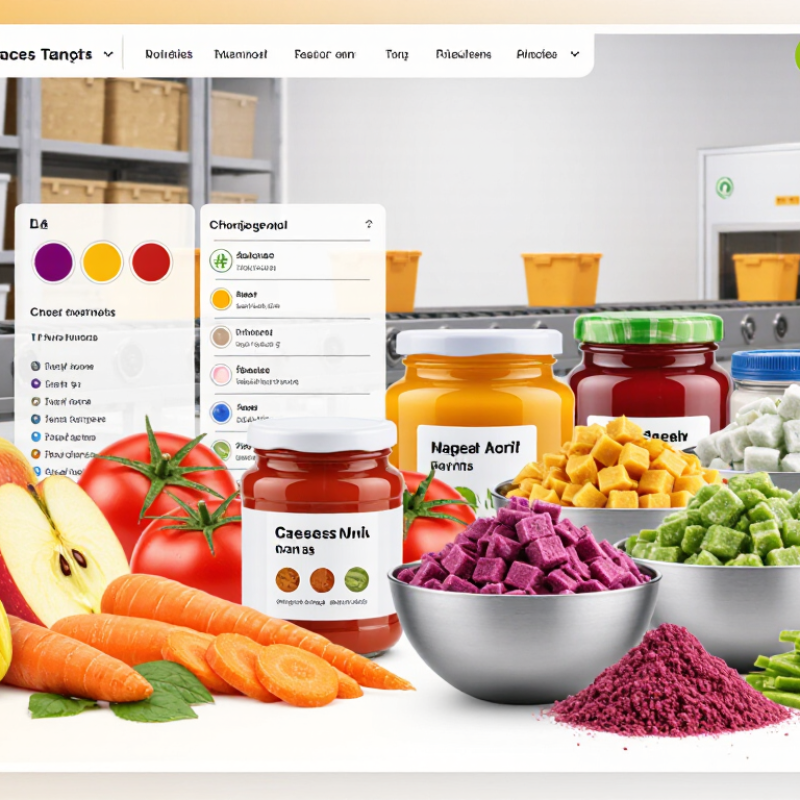
Top Fruit and Vegetable Processing Ingredients Suppliers?

Types of Fruit and Vegetable Processing Ingredients

Fruit and vegetable processing ingredients do more than extend shelf life. They shape color, texture, flavor, and processing stability. Acidulants, such as citric or malic acid, help control pH in juices, sauces, and canned vegetables. This control can support safer processing and a brighter flavor. Sweeteners balance sharp acidity in fruit preparations, although some products need very little sweetness.

Antioxidants help slow browning in cut apples, potatoes, and avocado-based products. Ascorbic acid is commonly used when appearance matters. Stabilizers and thickeners, including pectin, starch, and plant-based gums, reduce separation in purées and beverages. Enzymes may improve juice yield and clarity, but dosage requires careful trials. Fruit concentrates, carotenoids, and anthocyanins can provide color, though heat may weaken their visual effect.

Small trials reveal important problems. A purée can look smooth before filling, then separate after storage. A reliable ingredient supplier should provide clear specifications, certificates of analysis, allergen information, traceability records, and storage guidance. Processors should also check local food regulations before approving any ingredient. Supplier documents are useful, but they do not replace testing. Temperature, acidity, oxygen exposure, and mixing speed can change the final result. Formulas need patience.

Types of Fruit and Vegetable Processing Ingredients

This chart shows representative formulation levels commonly used for key processing ingredients. Actual quantities vary by product, recipe, processing method, and applicable food regulations.

Interpretation: Sweeteners and brines are generally used at higher inclusion levels, while texturizers, antioxidants, acidity regulators, and firming agents are typically applied at lower levels.

Key Criteria for Evaluating Ingredient Suppliers

Choosing top fruit and vegetable processing ingredient suppliers requires more than comparing prices. Start with traceability. Can the supplier identify the farm, harvest date, processing site, and storage conditions for each lot? The FAO reported that about 14% of food is lost between harvest and wholesale. Strong suppliers reduce this risk through cold-chain records, moisture control, and documented first-expiry, first-out practices.

Ask for practical evidence, not polished promises. A reliable supplier should provide current certificates, allergen controls, pesticide-residue testing, microbiological results, and clear recall procedures. Their systems should align with HACCP principles and the Codex General Principles of Food Hygiene. WHO estimates that contaminated food causes about 600 million illnesses worldwide each year. That figure makes verification essential, even for seemingly simple ingredients such as vegetable powders or fruit concentrates.

Consistency also matters. Compare color, particle size, acidity, soluble solids, and rehydration performance across several lots. Request samples from different seasons. One perfect sample proves little. The UNEP Food Waste Index Report 2024 estimated 1.05 billion tonnes of food waste in 2022, so yield and shelf-life should be measured during trials, not guessed from a specification sheet.

I would also review delivery history, complaint response time, and backup raw-material sources. However, no supplier is flawless. Seasonal variation remains real, and buyers should document acceptable limits instead of demanding impossible uniformity.

Leading Supplier Categories and Their Product Ranges

Fruit and vegetable processors rarely buy from one supplier category. Their needs change with season, recipe, and equipment. Produce ingredient specialists provide purees, concentrates, juices, diced pieces, and frozen formats. Powder suppliers add dried fruit, vegetable powders, and functional fibers. These ingredients fit soups, beverages, sauces, bakery fillings, and nutrition products. Freshness matters. So does particle size.

Functional ingredient suppliers offer pectin, starches, gums, acids, and natural color systems. Their ranges help control viscosity, acidity, texture, and shade. Flavor suppliers may provide extracts, distillates, and blended profiles for consistent taste. Sweetener suppliers cover syrups, crystalline options, and reduced-sugar systems. Some processors also need enzyme solutions for clarification or yield improvement. Each category needs technical support, not just a price list. A low-cost ingredient can create waste if it fails in production.

Reliable sourcing depends on documented specifications, lot traceability, allergen controls, and microbiological testing. Request current certificates of analysis and realistic shelf-life data. Trial samples should run on the actual line, under real heating and filling conditions. I have seen promising bench samples change after storage. That detail is easy to miss. Supplier audits should examine storage temperature, change-control procedures, and complaint response times. No category is automatically dependable. Product range matters, but verified performance matters more.

Top Fruit and Vegetable Processing Ingredients Suppliers? - Leading Supplier Categories and Their Product Ranges

Supplier Category Typical Product Range Common Raw Materials Available Formats Primary Food Applications Typical Technical Specifications Storage Considerations
Fruit Purée and Preparations Single-fruit purées Fruit preparations Seeded or smooth textures Mango, strawberry, raspberry, peach, apple, pear, cherry and apricot Frozen blocks, aseptic bags, chilled pouches and drums Yogurt, dairy desserts, beverages, bakery fillings, ice cream and sauces Fruit content, soluble solids, acidity, viscosity, particle size and microbiological limits Frozen, chilled or ambient depending on packaging and processing method
Fruit Juice Concentrates Clear concentrates Cloudy concentrates Single-strength reconstitution bases Apple, grape, pear, pineapple, orange, lemon and berry fruits Aseptic drums, bag-in-box containers and frozen concentrate packs Juice drinks, nectars, syrups, confectionery, marinades and compound ingredients Soluble solids measured in °Brix, titratable acidity, color, turbidity and flavor profile Ambient or frozen storage; protection from heat, oxygen and direct light
Not-from-Concentrate Juice Bases NFC juices Juice blends Cloudy and clarified options Orange, apple, grapefruit, pineapple, tomato and mixed fruits Aseptic bags, chilled tanks, drums and bag-in-box packaging Ready-to-drink beverages, smoothies, chilled juices and functional drinks Natural juice content, pH, acidity, °Brix, pulp level and sensory characteristics Usually refrigerated unless commercially sterilized and aseptically packed
IQF Fruits and Vegetables Whole pieces Diced cuts Slices and wedges Blends Berries, mango, peach, spinach, peas, corn, broccoli, carrots and mixed vegetables Bulk frozen cartons, food-service bags and retail-ready packs Ready meals, soups, sauces, smoothies, bakery products and food-service dishes Cut size, piece integrity, foreign-material control, color, moisture and microbiological quality Frozen storage, normally at or below −18°C to maintain product quality
Dehydrated Fruits and Vegetables Flakes Granules Slices Diced ingredients Onion, garlic, tomato, carrot, beetroot, apple, cranberry and mushroom Bulk bags, lined cartons, pouches and food-service containers Seasonings, soups, sauces, snack mixes, bakery products and instant meals Moisture content, water activity, particle size, color retention and rehydration performance Cool, dry and oxygen-protected storage; moisture barrier packaging is important
Fruit and Vegetable Powders Spray-dried powders Freeze-dried powders Whole-food powders Berry, citrus, banana, apple, tomato, beetroot, spinach and pumpkin Fine powders in lined bags, drums and resealable pouches Drink mixes, nutrition products, bakery, confectionery, seasoning systems and color blends Moisture, water activity, particle size, dispersibility, color value and flavor intensity Protect from humidity, oxygen, heat and light; use tightly sealed packaging
Pectin and Fruit Gel Systems High-methoxyl pectin Low-methoxyl pectin Rapid-set systems Custom blends Citrus peel and apple pomace are common commercial sources Powdered pectin, premixes and functional blend systems Jams, jellies, fruit fillings, gummies, yogurt preparations and reduced-sugar spreads Degree of esterification, gel strength, setting temperature, pH tolerance and calcium response Dry, cool storage in sealed moisture-resistant packaging
Natural Fruit and Vegetable Colors Anthocyanins Carotenoids Betalains Chlorophyll-based colors Black carrot, grape skin, paprika, turmeric, beetroot, spirulina and leafy vegetables Liquid dispersions, emulsions, oil-soluble systems and water-soluble powders Beverages, confectionery, dairy products, bakery, sauces and prepared foods Color strength, hue, pH stability, light stability, heat tolerance and dosage range Storage varies by system; light, oxygen and temperature control are generally required
Natural Acids and Acidulants Citric acid Malic acid Tartaric acid Lactic acid Commercially manufactured food acids; some are also associated with fruit-based flavor profiles Crystals, granules, powders and liquid solutions Fruit beverages, preserves, confectionery, dressings, sauces and pH-adjusted foods Assay, acidity, solubility, particle size, pH contribution and sensory sourness Keep dry and sealed; liquid products may require temperature-controlled storage
Dietary Fibers and Functional Fruit Ingredients Apple fiber Citrus fiber Bamboo fiber Vegetable fibers Apple pomace, citrus peel, sugar beet, peas, carrots and other plant sources Powders, standardized fiber concentrates and hydration systems Bakery, meat alternatives, beverages, nutrition bars, sauces and reduced-calorie foods Dietary-fiber content, water-holding capacity, oil-binding capacity, particle size and viscosity Dry storage with protection from humidity and cross-contamination
Natural Sweeteners and Fruit Syrups Fruit syrups Apple or grape sweetener bases Date-based sweeteners Reduced-sugar systems Apple, grape, date, pear, agave and other sweet fruit sources Liquid syrups, concentrates, pastes and aseptic bulk containers Beverages, sauces, bakery fillings, snack bars, cereal products and desserts °Brix, pH, viscosity, sugar profile, color and microbial stability Ambient storage for aseptic products; protect opened containers from contamination
Vegetable Purees and Base Ingredients Tomato bases Pumpkin purée Carrot purée Legume and vegetable blends Tomato, pumpkin, carrot, squash, sweet potato, pea and bean ingredients Aseptic bags, frozen blocks, drums and food-service pouches Soups, sauces, baby foods, ready meals, dips, spreads and savory beverages Soluble solids, viscosity, pH, color, particle size and thermal-processing stability Ambient, chilled or frozen depending on the process and packaging format
Blended Compound Ingredients Fruit fillings Smoothie bases Sauce bases Custom flavor blends Combinations of fruit, vegetable purées, juices, fibers, acids, sugars and stabilizers Aseptic drums, pails, pouches, bag-in-box and frozen blocks Bakery, dairy, beverages, dessert toppings, sauces and convenience foods Recipe consistency, viscosity, pH, °Brix, texture, color and shelf-life performance Storage is formulation-dependent; follow the supplier's temperature and handling instructions

Quality, Safety, and Regulatory Standards for Suppliers

Quality, safety, and regulatory discipline should guide every fruit and vegetable processing ingredient purchase. The World Health Organization estimated that contaminated food causes 600 million illnesses and 420,000 deaths worldwide each year. These figures make supplier verification a daily responsibility, not a paperwork exercise.

Reliable suppliers should operate documented food safety systems, including hazard analysis, preventive controls, sanitation records, allergen management, and traceability. ISO 22000 provides a recognized framework for managing food safety risks across the supply chain. Codex Alimentarius guidance also supports hygiene controls, contaminant limits, and transparent labeling. Ask for recent certificates, audit findings, product specifications, and laboratory results. Check whether testing covers pesticide residues, heavy metals, pathogens, mycotoxins, and foreign materials. A clean certificate is not enough.

Look closely at the physical process. Does the facility separate raw and processed materials? Are sealed ingredients stored off the floor? Can the supplier trace one lot from farm documentation to your receiving dock? The U.S. FDA’s Foreign Supplier Verification requirements emphasize risk-based approval, verification activities, and corrective action. Those principles are useful even outside the United States. The FAO has repeatedly linked food loss with weak storage, handling, and transport controls, especially in perishable supply chains. Temperature logs matter. So do recall drills. Some suppliers may present incomplete evidence or outdated reports. That is a warning, not a minor inconvenience. Verification can still be imperfect, but disciplined questions reveal where risk remains.

How to Select the Right Processing Ingredients Supplier

Top Fruit and Vegetable Processing Ingredients Suppliers?

Selecting a processing ingredients supplier requires more than comparing prices. Start with documented quality systems, traceability, and technical support. FAO’s The State of Food and Agriculture 2019 estimated that 14% of food is lost between harvest and wholesale. A reliable supplier should help reduce avoidable loss through stable ingredients, clear specifications, and responsive troubleshooting.

Ask for batch records, certificates of analysis, allergen statements, and storage instructions. Check whether the supplier follows recognized food safety systems, such as HACCP or ISO 22000.

Then test performance in your own process. A stabilizer may work well in a laboratory sample but fail after pasteurization, freezing, or six weeks in a warehouse.

Small details matter, including drum liners, delivery temperature, and lot coding. Ask difficult questions.

Independent data also supports stricter supplier evaluation. The UNEP Food Waste Index Report 2024 estimated 1.05 billion tonnes of food waste in 2022 across households, food service, and retail. Ingredients that improve texture, color retention, or shelf stability can support waste reduction, but only when validated carefully.

Request pilot quantities before signing a long contract. Compare yield, rework rates, and finished-product complaints, not just the invoice. I have seen purchasing teams overlook technical service because the quoted price looked attractive. That decision often becomes expensive later.

A practical supplier should provide consistent documentation, realistic lead times, and evidence from comparable processing conditions. Needs review.

FAQS

How can a buyer verify ingredient traceability?

Ask for the farm, harvest date, processing site, and storage conditions for every lot. Cold-chain records and moisture logs reveal handling problems. Details matter.

Which documents should an ingredient supplier provide?

Request current certificates, allergen controls, pesticide-residue tests, and microbiological results. Clear recall procedures should be available. Polished promises are not enough.

How should ingredient consistency be tested?

Compare color, particle size, acidity, soluble solids, and rehydration across several lots. Request samples from different seasons. One perfect sample proves little.

Why are production-line trials necessary?

Test samples under actual heating, filling, and storage conditions. A powder may perform well in a beaker but fail during filling. Bench results can mislead.

Which supplier categories support fruit and vegetable processing?

Produce specialists may provide purees, concentrates, juices, diced pieces, and frozen formats. Powder suppliers offer dried ingredients and fibers. Functional suppliers support texture and acidity.

What functional ingredients may a processor need?

Pectin, starches, gums, acids, natural color systems, flavors, sweeteners, and enzymes can support different recipes. Each ingredient should match the equipment. Price alone is weak evidence.

How should shelf life and yield be evaluated?

Measure yield, waste, and shelf life during trials instead of trusting a specification sheet. Record changes after storage, including color, texture, and moisture. Not always predictable.

What should a supplier audit examine?

Review storage temperatures, change-control procedures, delivery history, backup raw-material sources, and complaint response times. Seasonal variation remains real. No supplier is flawless.

Conclusion

Fruit and Vegetable Processing Ingredients play a vital role in improving the flavor, texture, color, stability, and shelf life of processed foods and beverages. Common categories include natural colors, flavors, sweeteners, acids, preservatives, thickeners, stabilizers, antioxidants, and functional powders. When evaluating suppliers, manufacturers should consider product consistency, raw material traceability, technical support, production capacity, delivery reliability, and the ability to provide customized solutions for different applications.

Reliable suppliers should follow recognized quality, food safety, hygiene, and regulatory requirements, supported by clear documentation, testing procedures, and transparent labeling information. Businesses should also assess allergen controls, sustainability practices, certifications, and responsiveness to customer needs. Selecting the right ingredient supplier requires balancing quality, cost, compliance, innovation, and long-term cooperation. A well-matched supplier can help processors improve product performance, maintain consistent production, respond to market trends, and develop safe, appealing, and commercially competitive fruit and vegetable products.

Ethan

Ethan

Ethan is a dedicated marketing professional with a profound expertise in the company's offerings. With years of experience in the industry, he possesses an impressive understanding of market trends and customer needs, making him an invaluable asset to the team. His commitment to excellence shines......